
 中文简体

Product Consultation
Your email address will not be published. Required fields are marked *
Content
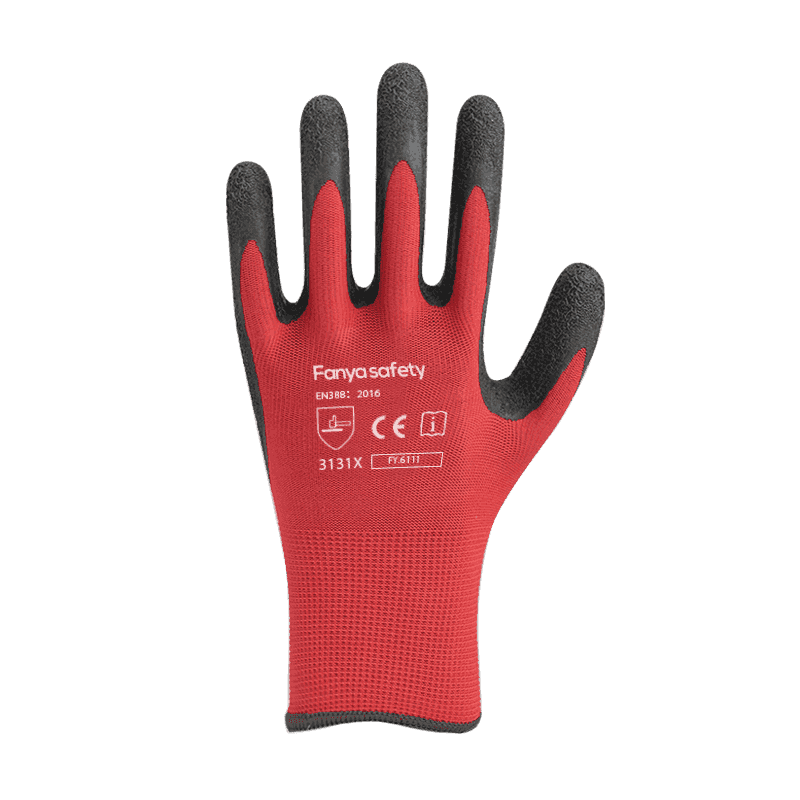
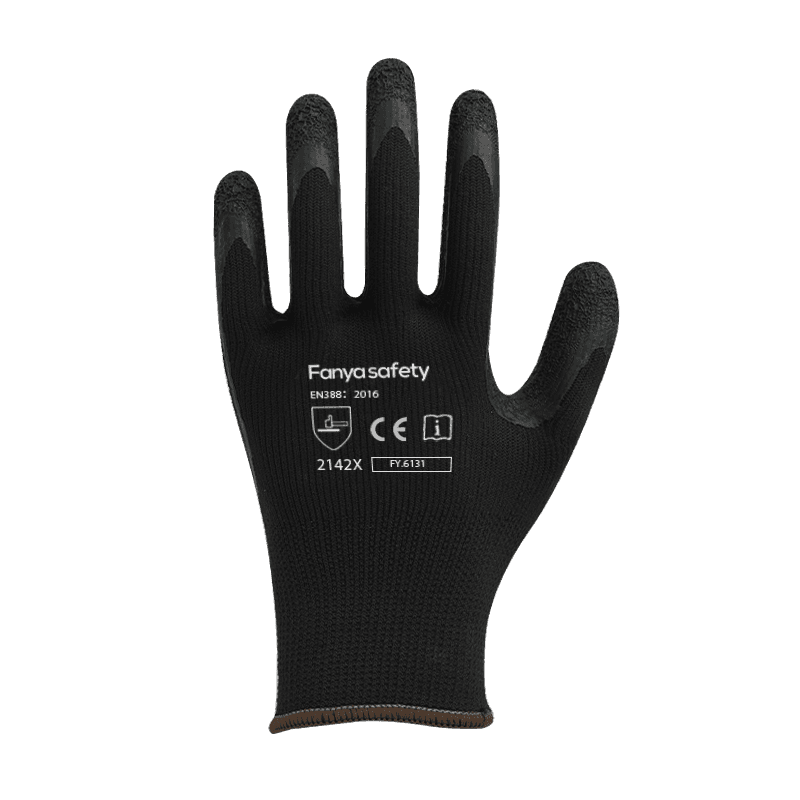
On a busy packing floor, a worker wearing blue latex-coated gloves can be spotted from across the warehouse, while a supervisor in orange gloves stands out the moment they walk into the aisle. That visual clarity is the main reason distributors and plant managers order colored latex gloves instead of plain natural ones. The color is mixed into the latex compound before dipping, so the shade stays on the coated surface through regular contact with cartons, parts, tools and fixtures.
The short conclusion first: the color is an identification and management feature, not a performance upgrade. Grip, durability and comfort are decided by the liner material, the coating style and the dipping quality. Once you understand how these layers work together, you can order colored latex gloves that look right and perform right for a specific job.
This guide covers the color conventions used by industrial buyers, the liner and coating options available, the performance factors that determine service life, and the steps for choosing a bulk lot that matches your work environment.
Most gloves on the same worksite perform overlapping mechanical jobs. What actually differs is which worker should wear which pair, and for which task. A colored latex glove turns that information into a visual system that works without reading labels or checking tags during a shift.
A point worth repeating: color does not change the grip chemistry of the latex. A blue latex coating grips the same carton as a natural coating when the recipe and liner are identical. Choose the color for management and visibility; choose the coating style for the actual working conditions.
| Color | Typical Assignment | Why This Color Works |
|---|---|---|
| Blue | Assembly, parts handling | Stands out against brown cardboard and steel |
| Green | Packing, quality control | Clearly different from machine operators |
| Orange | Maintenance, forklift support | High visibility on busy floors |
| Yellow | Loading, dispatch | Visible in low light and traffic aisles |
| Red | Emergency or special-area tasks | Strong warning association |
| Black | Automotive, oily repair work | Hides grease and dirt |
The liner is the skeleton of the glove. It controls fit, breathability, warmth and base durability. The latex coating is applied over this liner, and the structure of the knit affects how evenly the coating is absorbed and how the glove feels when the worker bends the fingers.
For colored latex gloves, the liner options fall into a few reliable categories:
| Liner Material | Typical Gauge | Best Environment | Key Strength |
|---|---|---|---|
| Polyester | 13g | General handling, assembly | Balanced fit, stable shape, economical |
| Bamboo | 13g | Warm, long-shift work | Breathable, soft, stays comfortable in heat |
| Nylon spandex | 15g | Precision handling | Snug fit, thin, high tactile feel |
| Acrylic brushed | 10g | Cold storage, winter yards | Warm and padded |
| Coolmax | 13g | Humid or sweaty conditions | Moisture wicking, faster drying |
Gauge is the knitting density, measured by the number of needles per inch on the knitting machine. A 13g liner is the standard balance between dexterity and durability, which is why most colored latex glove orders specify it. A 15g liner is thinner and more form-fitting; a 10g brushed acrylic liner is thicker and noticeably warmer.
For warm warehouses and long shifts, a bamboo liner under latex coating is a popular selection because it keeps the hand drier than a plain polyester build. The natural fiber structure creates more airflow while still holding the latex dip evenly.
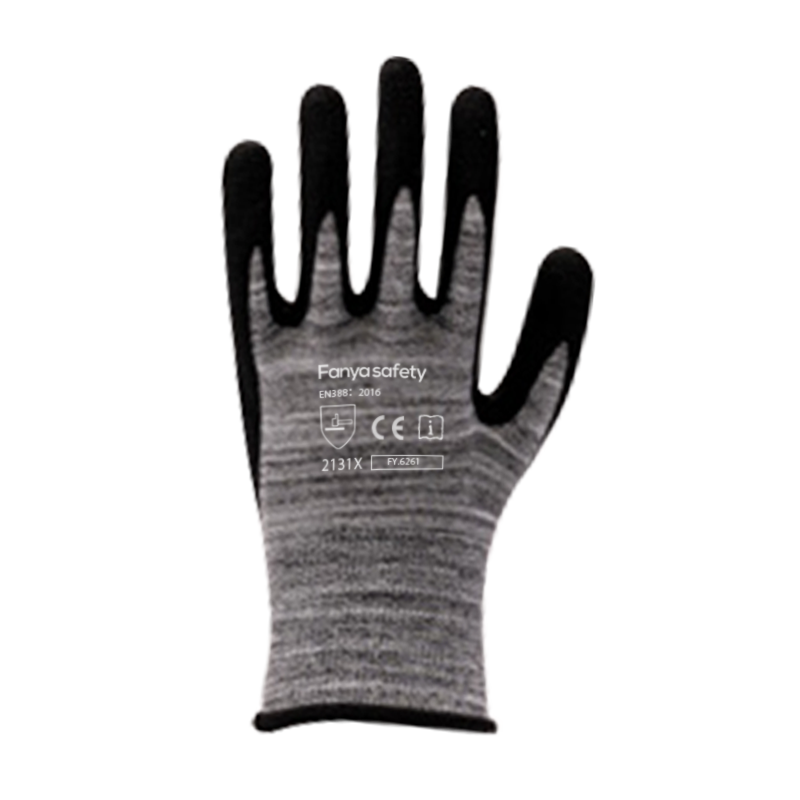
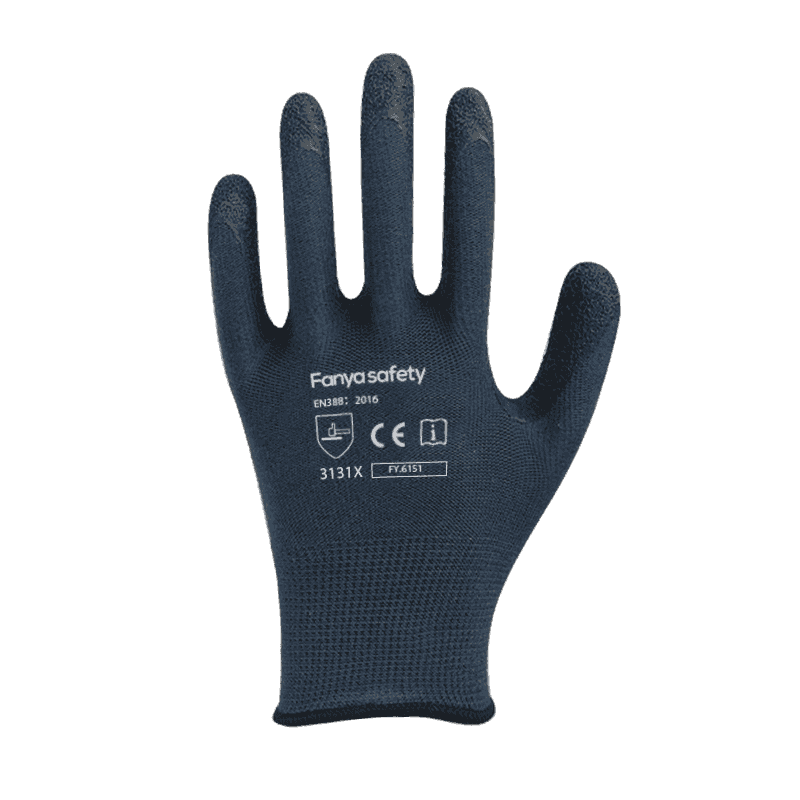 13G Bamboo Liner with Latex Coating Work GloveThis glove pairs a breathable bamboo liner with a latex coating, making it a practical choice for warm warehouses and long shifts where hand moisture is a concern.View Product →
The latex coating controls grip, abrasion resistance and protection from moisture. It also carries the color, and the dipping pattern changes both how much color is visible and how the glove behaves on the hand.
Compared with smooth latex, the foam construction improves grip in wet conditions but wears slightly faster against sharp abrasion. The difference in feel is significant enough that buyers select based on the worksite conditions rather than on the color alone. The dedicated comparison of foam gloves and latex gloves explains the trade-offs in more detail.
| Coating Style | Color Coverage | Wet Grip | Oil Grip | Breathability | Typical Task |
|---|---|---|---|---|---|
| Full latex | Whole glove | Good | Poor | Low | Washdown, dusty areas |
| 3/4 latex | Palm and fingers | Good | Poor | Medium | General handling, assembly |
| Foam latex | Palm, lighter tone | Excellent | Fair | Medium | Wet handling, light oil |
| Anti-slip foam | Palm, embossed texture | Excellent | Fair | Medium | Lifting heavy or slippery loads |
In practice, foam latex is the go-to choice when condensation or light oil is present, because the open-cell surface pushes the water film aside and keeps contact with the object. For dry packing and sorting, smooth latex still provides the best low-cost balance.
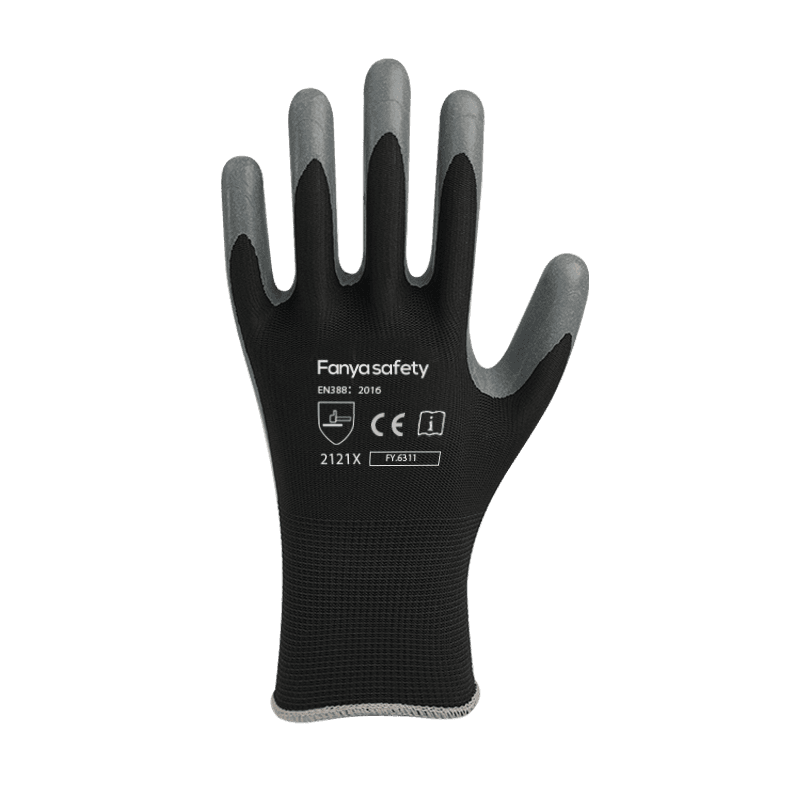
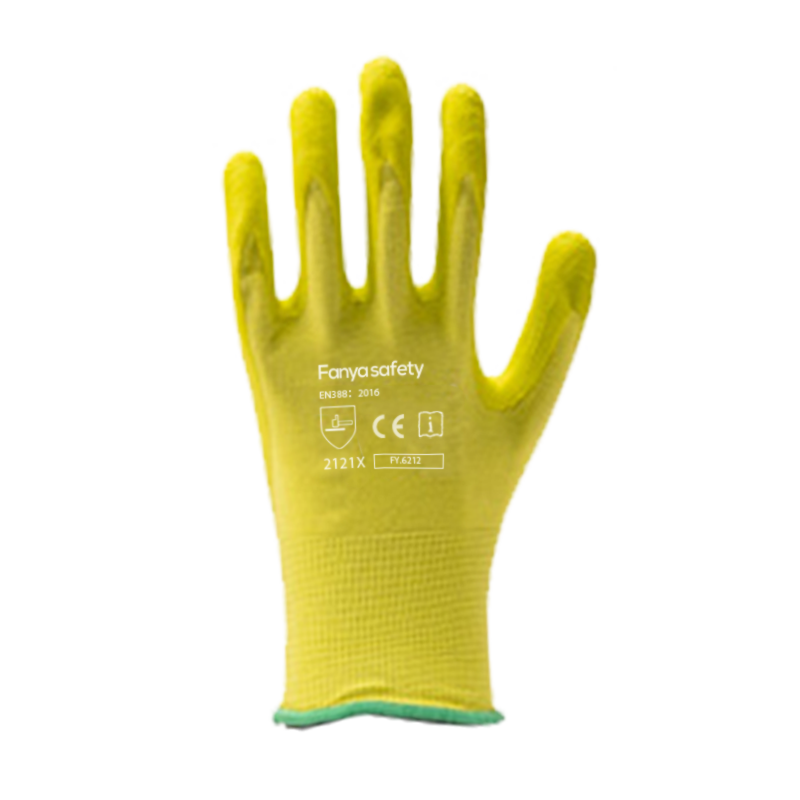 13G Polyester Liner with Foam Latex CoatingThe foam latex coating provides better puncture resistance and is suited for tasks with condensation or light oil, offering improved grip in damp conditions.View Product →
Before placing an order, procurement teams compare these details rather than relying on the color photo in the catalogue:
The simplest field measurement is the number of shifts a pair survives before the coating wears through at the fingertips. In normal carton handling, a quality latex-coated glove can serve for weeks of daily use; against rough concrete or sharp metal edges, the same glove may fail within days. That is why buyers always match the coating style to the surface, not to the color.
Where the coating stops also matters. A 3/4 dip that ends at the knuckle line lets the wrist area breathe and keeps the hand cooler; a full dip creates a sealed barrier for wet work. Neither is objectively better: they simply solve different problems.
Natural latex brings a specific set of strengths that make it ideal for certain jobs and less suitable for others.
| Condition | Latex Coating | Nitrile Coating | PU Coating |
|---|---|---|---|
| Dry grip | Excellent | Good | Good |
| Wet grip | Good | Good | Fair |
| Oil and grease resistance | Poor | Excellent | Fair |
| Low-temperature flexibility | Good | Fair | Good |
| Surface look | Glossy | Matte | Smooth and thin |
This comparison explains why the same factory often produces latex, nitrile and PU coated gloves side by side. The buyer's task is to pick the coating that matches the surface, then decide whether color can serve an additional management purpose.
Work through these steps in order, and most of the guesswork disappears.
A standard 13g polyester liner with a smooth latex dip is a solid default for order picking, packing and light assembly. It performs predictably across dry and slightly damp jobs and delivers a good cost-per-wear ratio. Many buyers keep this style as the everyday glove and add foam latex pairs for oily maintenance work.
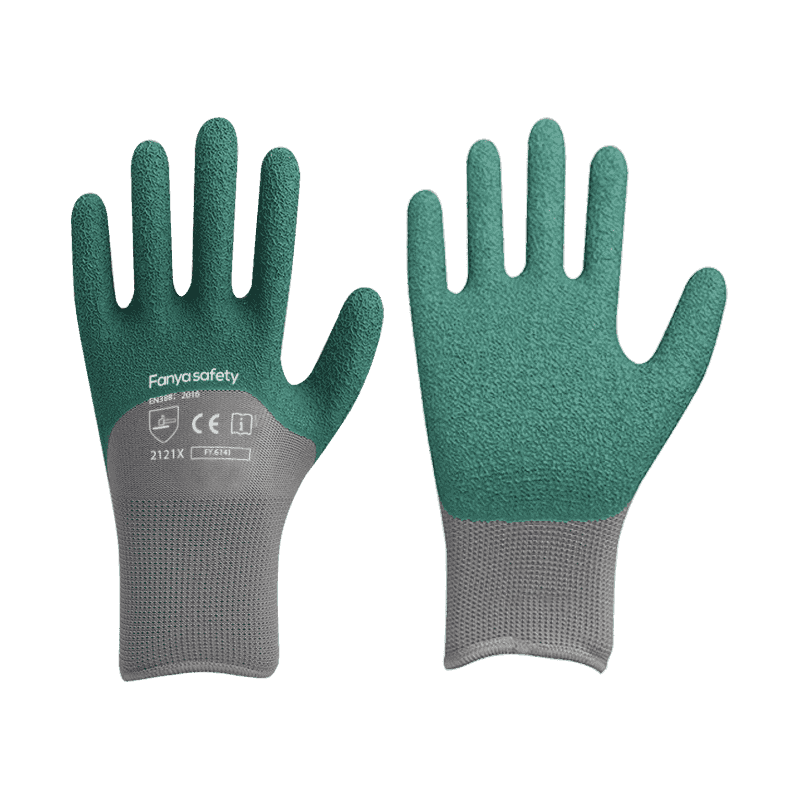
 13G Polyester Liner with Latex Coating GloveA reliable everyday glove for picking, packing, and light assembly, this latex-coated polyester liner balances comfort, grip, and cost-effectiveness across dry tasks.View Product →
The same colored latex glove model can appear in several industries; what changes is the color convention and the priority given to grip versus breathability. For a broader view of how work gloves are built from liners and coatings, this introduction to work gloves is a useful starting point.
| Industry | Typical Colors | Selection Priority |
|---|---|---|
| Warehouse and distribution | Blue or yellow | Visibility and carton grip |
| Agriculture and gardening | Green or orange | Breathability and wet grip |
| Light assembly | Blue or purple | Dexterity and fine handling |
| Construction support | Orange or red | High visibility and durability |
| Cleaning and janitorial | Black or white | Appearance and mild chemical contact |
In warehouse and distribution, the second question after price is usually whether the glove keeps its grip once workers begin to sweat. That is where a foam latex palm helps more than the shade of the color. The color organizes the workflow; the coating handles the physics.
A colored latex-coated glove lasts longer when rinsing and drying are done correctly. The coating is the part that wears first, and most premature failures come from heat, UV light and solvent contact.
When a glove starts to feel sticky or shows cracks along the palm lines, replace the pair. Cracks often appear earlier in full-dip gloves because the coating bends more when the wearer makes a fist.
No. The pigment is mixed into the latex compound and does not change friction or abrasion resistance. Two gloves with the same liner, the same coating recipe and different colors perform identically. Use color for identification and visibility, not for performance.
Common industrial shades include blue, green, red, orange, yellow, black, white and purple. Custom shades are possible when the order volume is large enough, because the factory needs to prepare a separate dipping compound batch for each color.
Yes, if the liner and coating are still intact. Rinse with cold water, dry away from heat and sunlight, inspect for pinholes, and they can be worn again. Latex-coated work gloves are built for multiple shifts; disposable single-use gloves are a separate product category.
Natural latex has limited resistance to mineral oils and greases; prolonged contact swells and softens the coating. For light oil, foam latex performs better than smooth latex. For heavy oil exposure, nitrile-coated gloves are the stronger choice.
It means the liner was knitted with 13 needles per inch. A 13g liner is the industry standard balance of dexterity, durability and cost. A 15g liner is thinner and more precise; a 10g brushed liner is thicker and warmer.
In light order picking, a quality pair can serve for weeks of regular shifts. Rough concrete, sharp metal edges and oil exposure shorten the life to days. Check fingertips and the palm coating regularly, and replace the pair as soon as the coating wears through.
A colored latex glove looks simple, but the combination of pigment, coating style and liner decides whether it becomes a reliable work tool or a source of rejected orders. Start from the task, then use color for zone separation, visibility and batch control.
As a full-range labor protection glove manufacturer, Jiangsu Fanya produces latex-coated gloves with multiple liner materials, dipping styles and color options under one roof. With an annual capacity of five million dozen pairs, the factory supports consistent bulk supply and color consistency across batches. If your team needs colored latex gloves with a specific liner and dedicated colors for your work zones, test samples on the real task before the first bulk order.
Your email address will not be published. Required fields are marked *
You can contact to me using this form.