
 中文简体
中文简体
Product Consultation
Your email address will not be published. Required fields are marked *
Content
Polyethylene gloves are loose-fitting, disposable hand protection made from a thin plastic film, and they are best suited for short, low-risk tasks such as food handling, quick cleaning jobs, and light industrial packing where speed of changing gloves matters more than a snug fit. They are not the right choice for tasks that need grip, chemical resistance, or a long wear time, which is where PU gloves or nitrile gloves usually perform better.
The appeal of polyethylene gloves comes down to three things: they are inexpensive, they go on and off almost instantly, and they carry no latex proteins. That combination makes them the default choice in settings where a worker touches dozens of different items in a single hour and a fresh glove is expected before each one. It also explains why they show up in bulk boxes at grocery delis, sandwich counters, hotel housekeeping carts, and quick-service kitchens rather than in workshops or warehouses, where a tougher glove like a PU glove tends to be the better fit.
This guide walks through what the material is actually made of, where polyethylene gloves genuinely outperform the alternatives, where they fall short compared with PU gloves, how to think about thickness and sizing, how they are packaged and shipped in bulk, common mistakes buyers make, and a detailed set of answers to the questions that come up most often when teams are deciding which disposable glove to stock.
Quick takeaway: Polyethylene gloves cost the least per unit, go on and off the fastest, but offer the weakest barrier and grip. Reach for them when a glove is being swapped out every few minutes; reach for PU gloves or nitrile gloves when a single pair needs to last through a longer, higher-contact task.
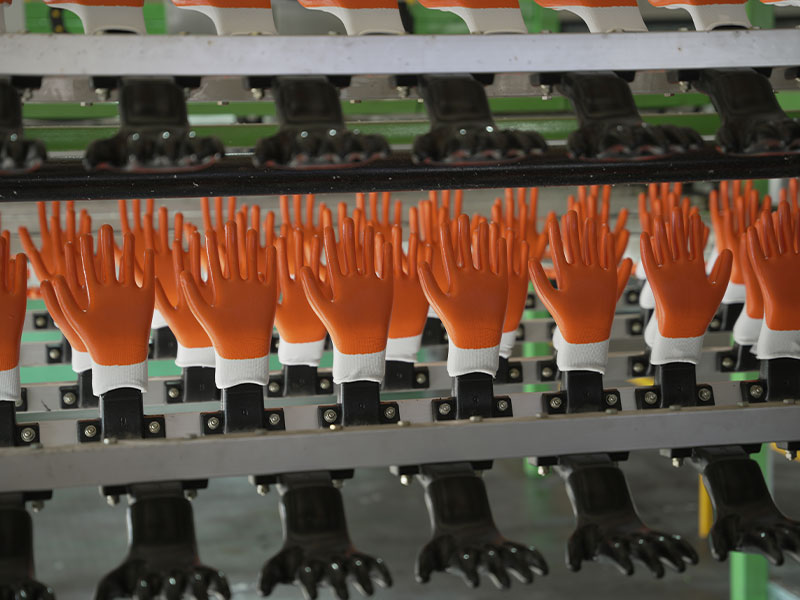
Polyethylene gloves are produced from either high-density polyethylene (HDPE) or low-density polyethylene (LDPE) film that is heat-sealed along the edges to form a hand shape. The film is typically extruded flat, folded, then die-cut and sealed in one continuous production line, which is part of why polyethylene gloves are so inexpensive to manufacture compared with dipped gloves like PU gloves or nitrile gloves that require a hand-shaped former dipped into liquid polymer.
HDPE film is thinner, slightly crinkly to the touch, and lower in cost, while LDPE film is softer, a bit more stretchy, and slightly more resistant to tearing. Neither material contains latex proteins, which is one reason polyethylene gloves are common in settings where latex allergies are a concern, including school cafeterias, hospitals, and shared kitchen environments where a single allergic reaction could shut down a service line.
| Property | HDPE Gloves | LDPE Gloves |
|---|---|---|
| Feel | Crinkly, stiffer | Softer, smoother |
| Stretch | Low | Moderate |
| Tear resistance | Lower | Slightly higher |
| Typical use | Quick food prep, retail | Cleaning, light food service |
| Relative cost | Lower | Slightly higher |
Some manufacturers also blend a small amount of linear low-density polyethylene (LLDPE) into the film to improve stretch without giving up too much of the cost advantage. This blended film sits between HDPE and pure LDPE in feel, and it is increasingly common in mid-range polyethylene glove products aimed at buyers who want a bit more durability without stepping up to PU gloves.
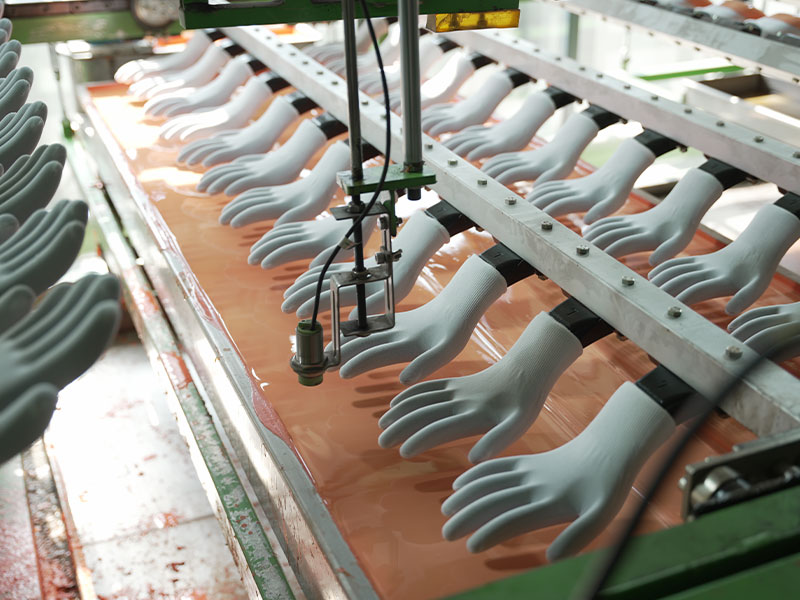
The strongest reason to choose polyethylene gloves is speed and cost when gloves are being changed constantly throughout a shift. Beyond that headline reason, there are several practical advantages worth walking through individually.
The loose fit means staff can pull a glove on or off in a second, which matters in delis, bakeries, and sandwich counters where hands touch dozens of different items per hour.
Because the film is thin and simple to manufacture, polyethylene gloves are usually the least expensive disposable option, which helps in high-volume, low-risk tasks.
Polyethylene film carries no natural rubber latex, so it avoids the allergy concerns tied to latex gloves entirely, which matters for both staff and customers.
Most polyethylene gloves are sold in a single loose-fitting size, cutting down on the need to stock multiple sizes for a team with mixed hand sizes.
Because the gloves are flat and thin, a single case takes up far less shelf space than an equivalent count of thicker PU gloves or nitrile gloves.
For jobs like handing out samples, restocking shelves, or brief cleaning wipe-downs, the loose fit is rarely a downside since there is no fine motor work involved.
None of these advantages make polyethylene gloves a universal replacement for PU gloves. They make it clear, however, that for the right task, polyethylene gloves are not simply a cheaper compromise, they are genuinely the more sensible choice.
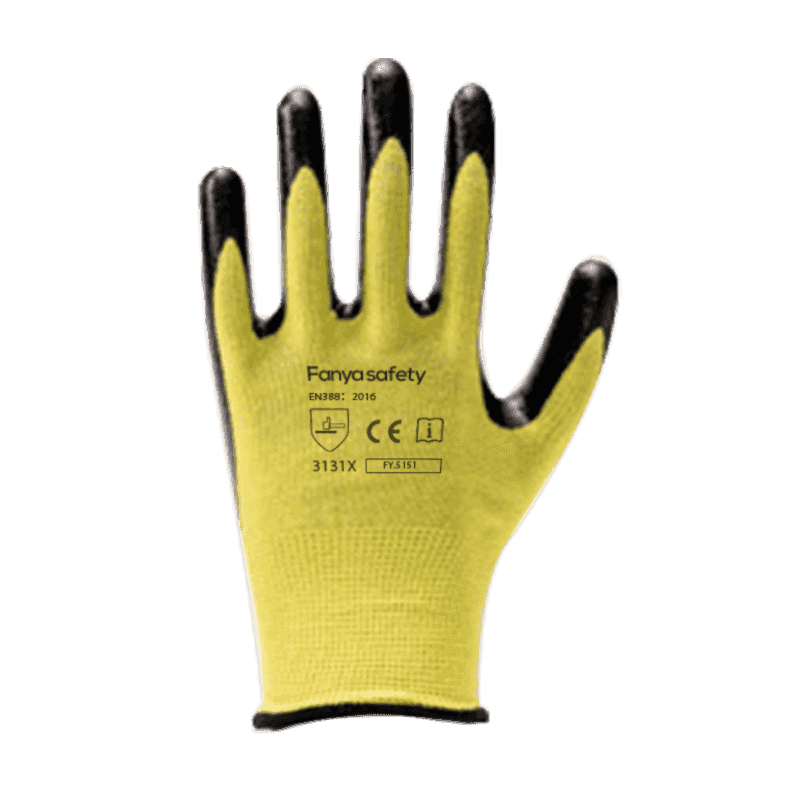
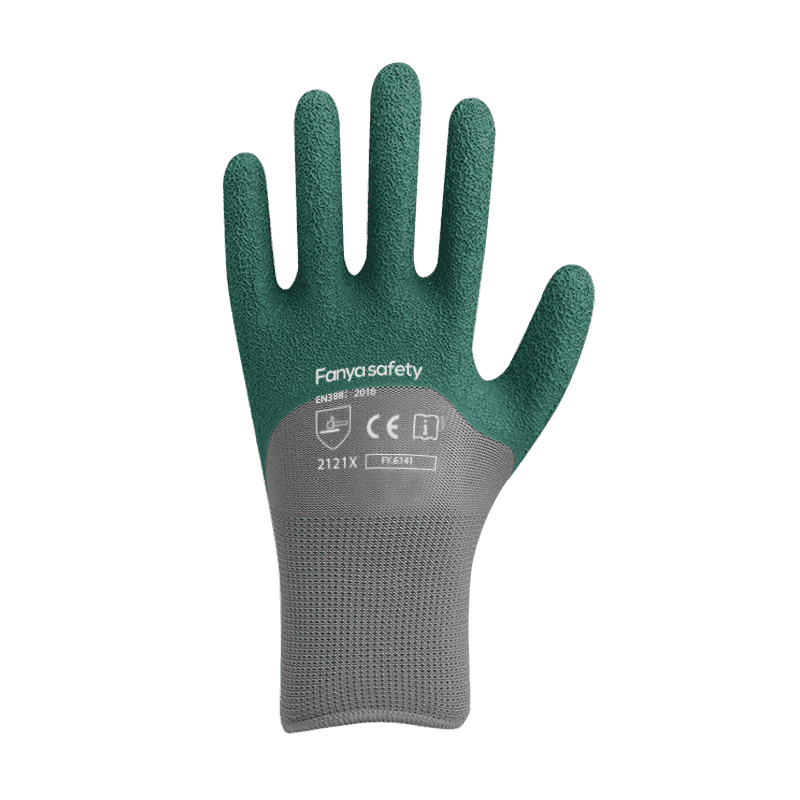
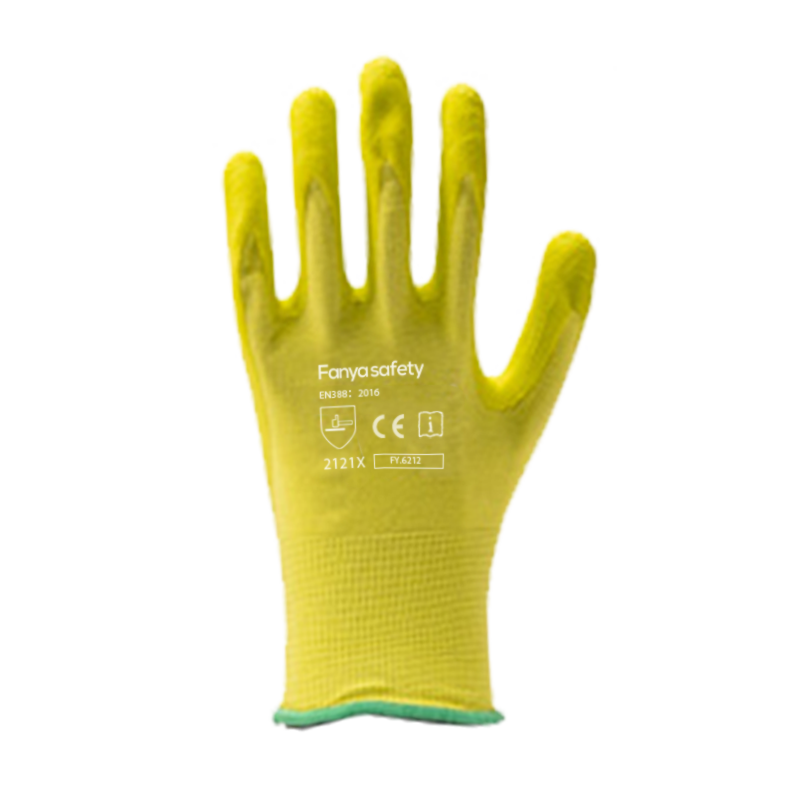
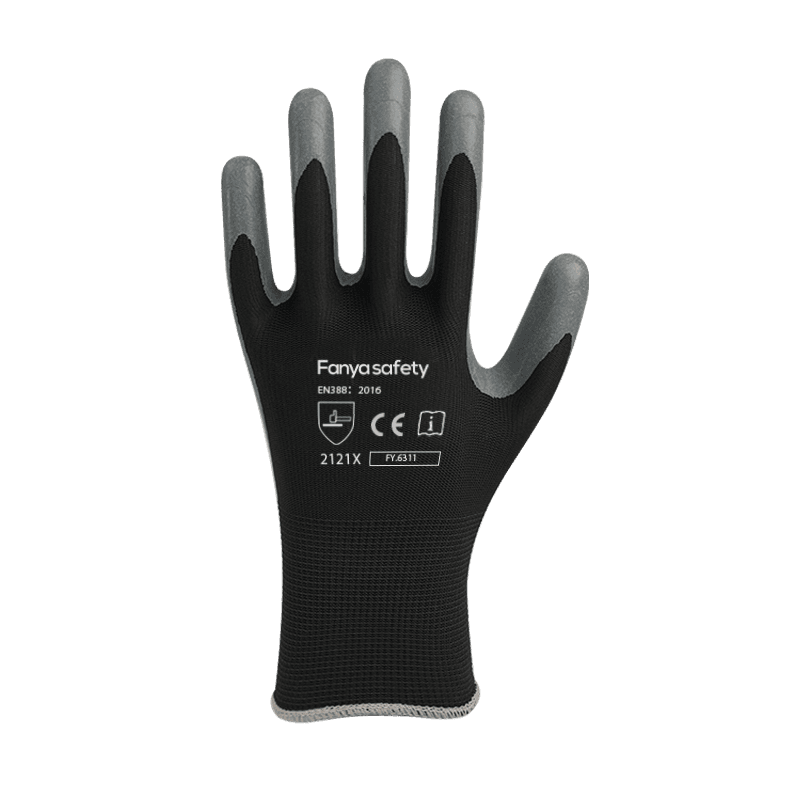
Once a task moves beyond quick, low-contact handling, PU gloves tend to take over, because polyurethane-coated or polyurethane-based gloves grip better, resist punctures longer, and hold their shape through repeated bending. Polyethylene film has almost no stretch, so it tends to loosen, wrinkle, or tear during tasks that involve gripping tools, assembling small parts, or repeated hand motion, which is exactly where PU gloves are built to perform.
A simple way to decide: if the task is short, low-contact, and mainly about hygiene, polyethylene gloves are the practical pick. If the task involves handling tools, repeated gripping, or any risk of small punctures, PU gloves are the better long-term choice. Many operations end up stocking both, using polyethylene gloves at the front counter and PU gloves in the prep or assembly area, matching the glove to the motion rather than treating disposable gloves as one interchangeable category.
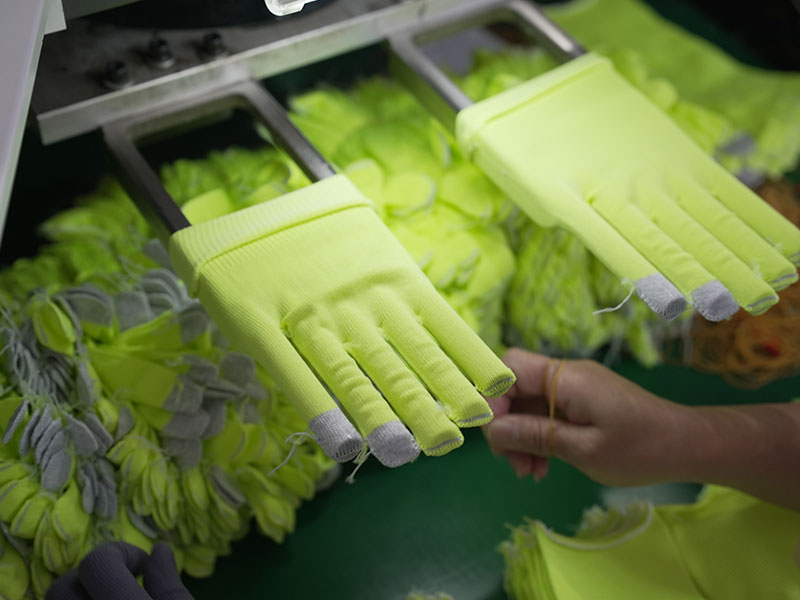
Thickness for polyethylene gloves is usually described in mils (thousandths of an inch), and most food-service and light-duty gloves fall somewhere between 0.5 mil and 1.5 mil. Thinner film in the 0.5 to 0.8 mil range is common for quick food handling where tactile feel matters, while thicker film closer to 1.2 to 1.5 mil holds up slightly better for light cleaning tasks or handling rougher packaging.
Match thickness to task duration. Short, repeated changeovers favor thinner film; slightly longer single-use tasks favor the thicker end of the range.
Check for a loose, one-size fit. Because polyethylene gloves rarely come in sized options, confirm the glove length and hand opening suit the widest range of staff hand sizes on a shift.
Consider embossed texture. Some polyethylene gloves add a light embossed pattern to the palm to improve grip slightly, which helps if the loose fit is causing items to slip.
Decide between flat-pack and dispenser box. Flat-packed gloves are common for bulk food service; dispenser boxes suit retail counters where one-handed access matters.
Test glove length against the task. A slightly longer cuff helps keep sleeves clean during food prep, while a shorter cuff is often preferred for quick retail tasks where speed matters more.
Sample before bulk ordering. Because feel and stretch vary between HDPE, LDPE, and blended film, requesting a small sample box before a full bulk order avoids a mismatch between expectation and actual performance.
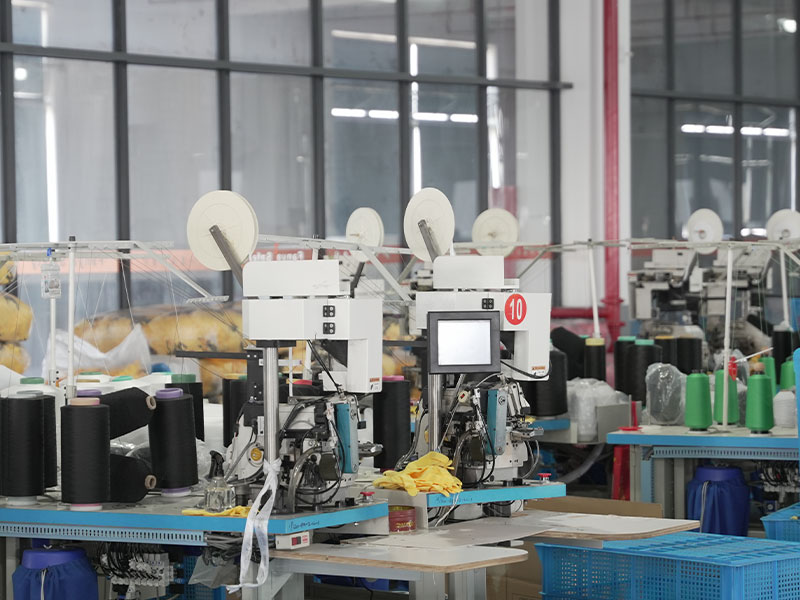
Polyethylene gloves show up most often in settings where hygiene and speed matter more than grip strength or long wear time.
In manufacturing and assembly settings, teams more often reach for PU gloves instead, since those tasks call for a snugger fit and better resistance to small cuts and abrasion over a full shift. Warehousing and logistics teams handling boxes with rough edges also tend to prefer PU gloves for the same reason, saving polyethylene gloves for quick administrative or sorting tasks where contact time is short.
A handful of avoidable mistakes come up repeatedly when teams switch to polyethylene gloves or place a first bulk order.
Buying a single thickness for an entire operation often means the front counter gets film that is thicker than needed, slowing changeovers, while the prep area gets film that is too thin for the handling involved. Matching thickness to the specific task, as outlined earlier in this guide, avoids both problems.
Some buyers focus only on the price per case without checking how many boxes and gloves per box that case actually contains. Comparing cost per one thousand gloves, rather than cost per case, gives a more accurate picture when comparing suppliers.
Polyethylene film reacts more to heat and humidity than thicker PU gloves do. Storage rooms near ovens, dishwashers, or loading docks with direct sun exposure can shorten shelf life noticeably if this is not accounted for during facility planning.
HDPE, LDPE, and blended films behave differently enough that a buyer who liked one supplier's gloves may be disappointed by a lower-cost alternative using a different film type. Requesting film type details up front avoids this mismatch.
Yes, the plastic film blocks liquid, which is why polyethylene gloves work fine for quick food handling and light cleaning tasks involving water.
They are designed for single use only. The thin film weakens quickly once stretched or exposed to oils, so reusing a glove raises the risk of tears and contamination.
Most polyethylene gloves are ambidextrous and made in one loose size that fits either hand, which is part of why they are quick to grab and put on.
For very short, low-contact food tasks, polyethylene gloves are cheaper and faster to change. For longer prep work involving knives or repeated gripping, PU gloves usually hold up better and reduce the number of glove changes needed.
The film has very little stretch compared with PU or nitrile gloves, so manufacturers cut them with extra room to make sure they slide on and off quickly rather than fitting snugly.
For quick food handling, a thinner film around 0.5 to 0.8 mil is common. For light cleaning or handling slightly rougher items, a thicker film closer to 1.2 to 1.5 mil holds up a bit longer.
They can be used briefly, but the smooth film loses grip quickly once oil is present. For tasks involving marinated or oily ingredients over a longer period, PU gloves or a textured nitrile glove usually keep a steadier grip.
Most are produced in clear or a light frosted tint, since color is rarely a priority for this glove type. Some suppliers offer tinted film on request, mainly for teams that want a visible contrast against certain foods.
Keep boxes in a cool, dry area away from ovens, steam, and direct sunlight, and use a dispenser box near the workstation so staff are not reaching into a shared bulk bag with unwashed hands.
Yes, polyethylene gloves are typically the least expensive disposable glove option per unit. The gap narrows when factoring in how often each type needs replacing during longer or higher-contact tasks.
Your email address will not be published. Required fields are marked *
You can contact to me using this form.