
 中文简体
中文简体
Product Consultation
Your email address will not be published. Required fields are marked *
Content
PU (polyurethane) gloves and nitrile gloves are not interchangeable. PU gloves are thin, lightweight, and designed primarily for cleanroom environments and electronics handling, while nitrile gloves offer robust chemical resistance and puncture protection suitable for medical, laboratory, and industrial use. Choosing the wrong type doesn't just reduce efficiency—it can expose workers to genuine hazards or contaminate sensitive components.
The confusion between these two glove types is understandable. Both are synthetic, both come in disposable formats, and both can look similar in product listings. But once you understand what each material actually does, the distinction becomes obvious and the choice straightforward.
Polyurethane is a polymer created by reacting diisocyanates with polyols. The result is a material that can be manufactured with exceptional thinness—often as low as 0.03 to 0.05 mm in the palm area. This thinness is not a defect. It is the defining feature.
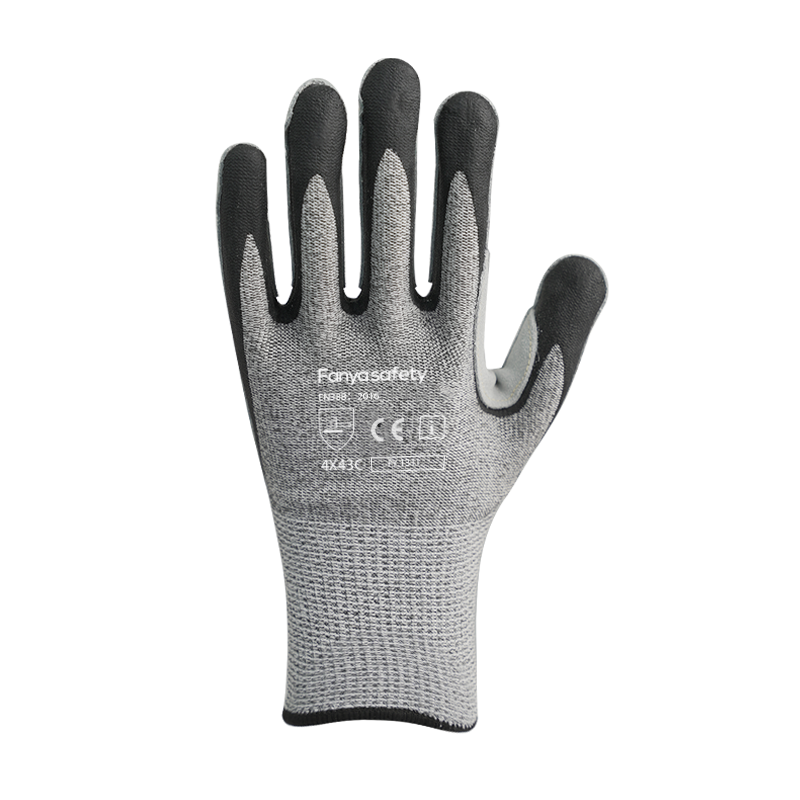
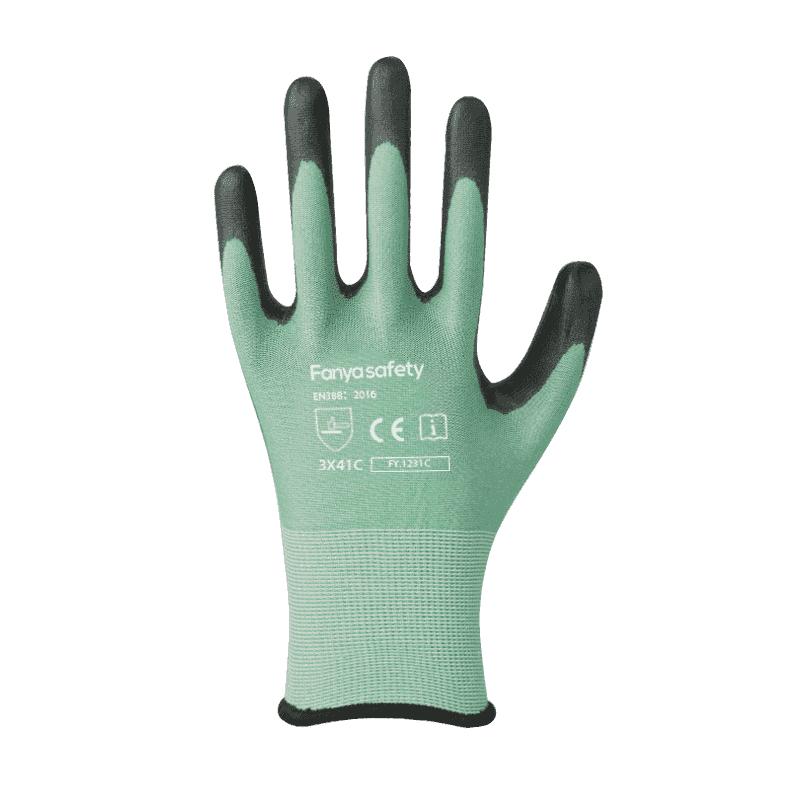
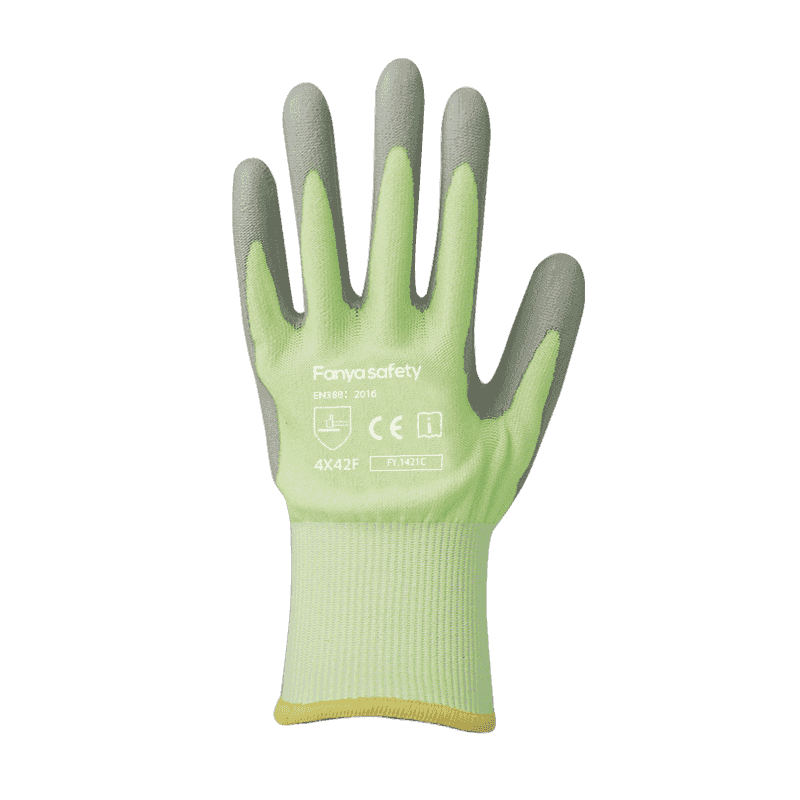
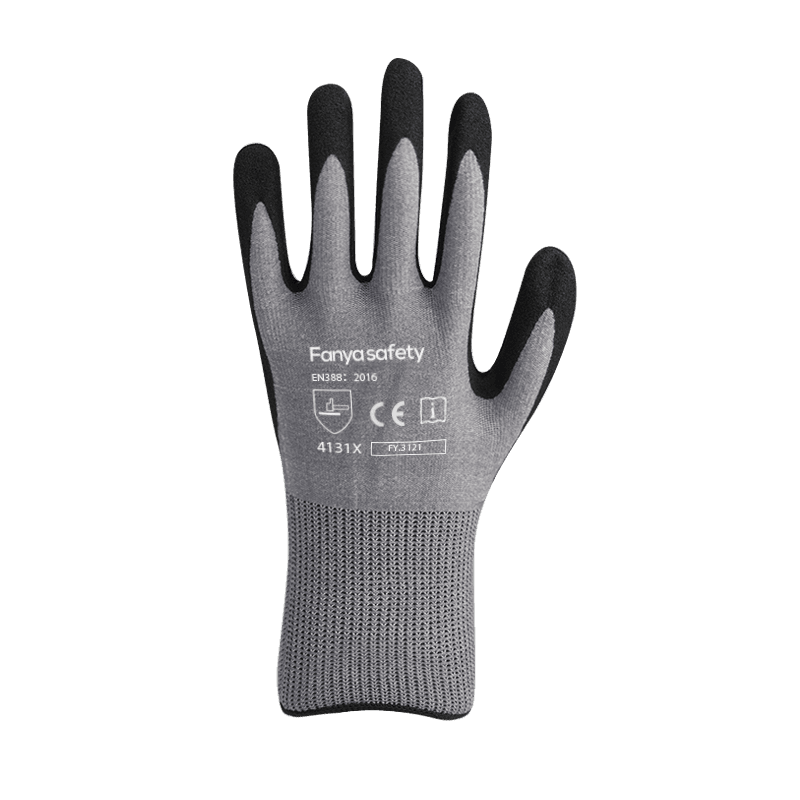
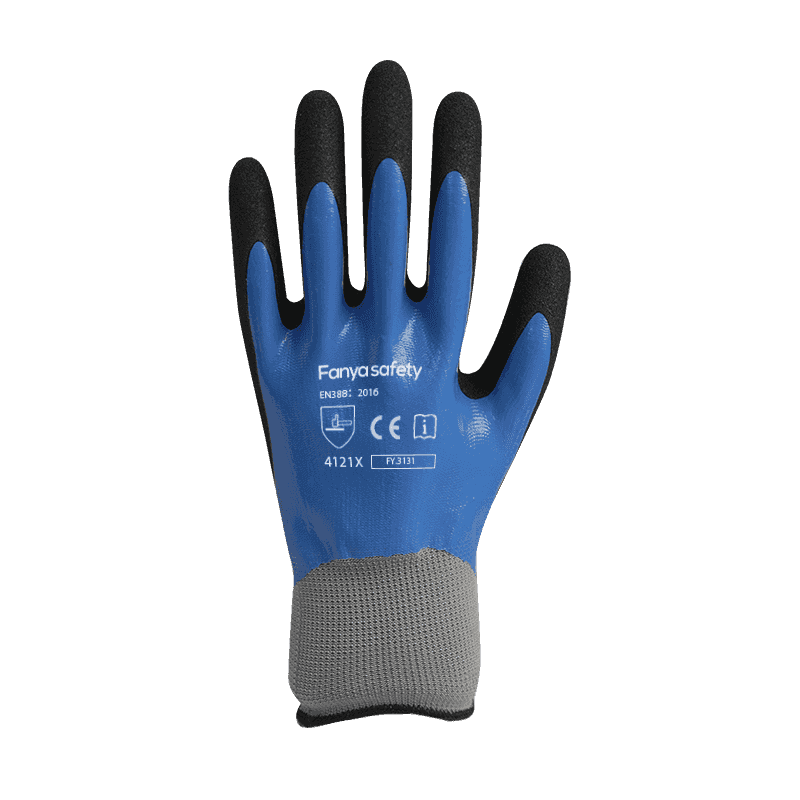
PU-coated gloves typically feature a nylon or polyester liner with a polyurethane coating applied to the fingertips or full palm. This construction provides excellent tactile sensitivity, which is why they dominate applications like:
The polyurethane coating is also low in ionic contamination, meaning it won't deposit damaging particles or static charge onto sensitive electronics. Many PU gloves are certified ESD-safe (electrostatic discharge safe), which is critical when handling components that cost hundreds or thousands of dollars each.
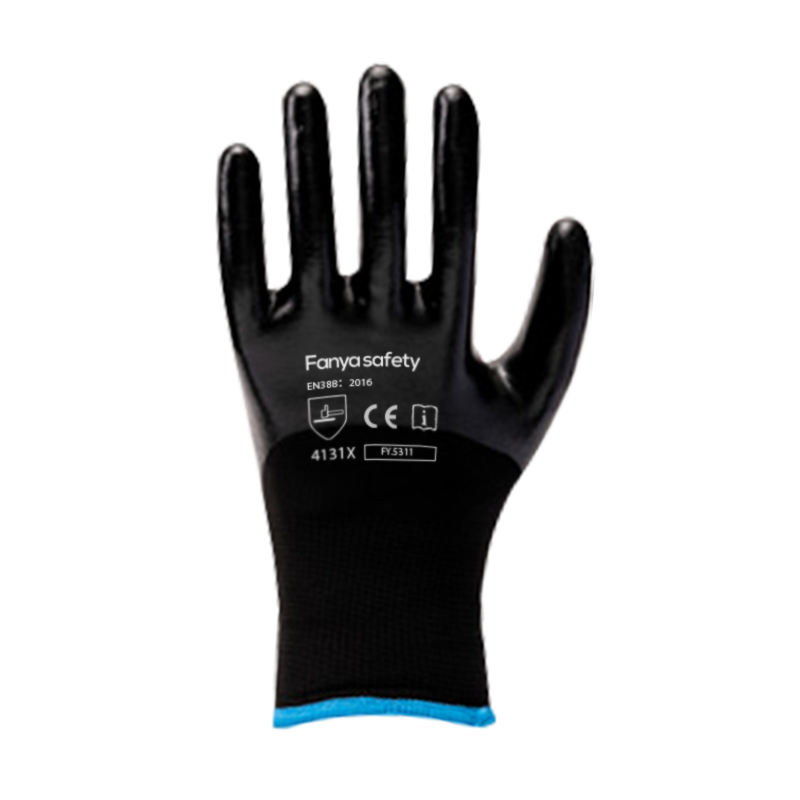
Nitrile rubber—chemically known as acrylonitrile butadiene rubber (NBR)—is a synthetic copolymer developed specifically to resist oils, fuels, and a wide range of chemicals. Unlike latex, nitrile contains no natural rubber proteins, making it the standard choice for users with latex allergies.
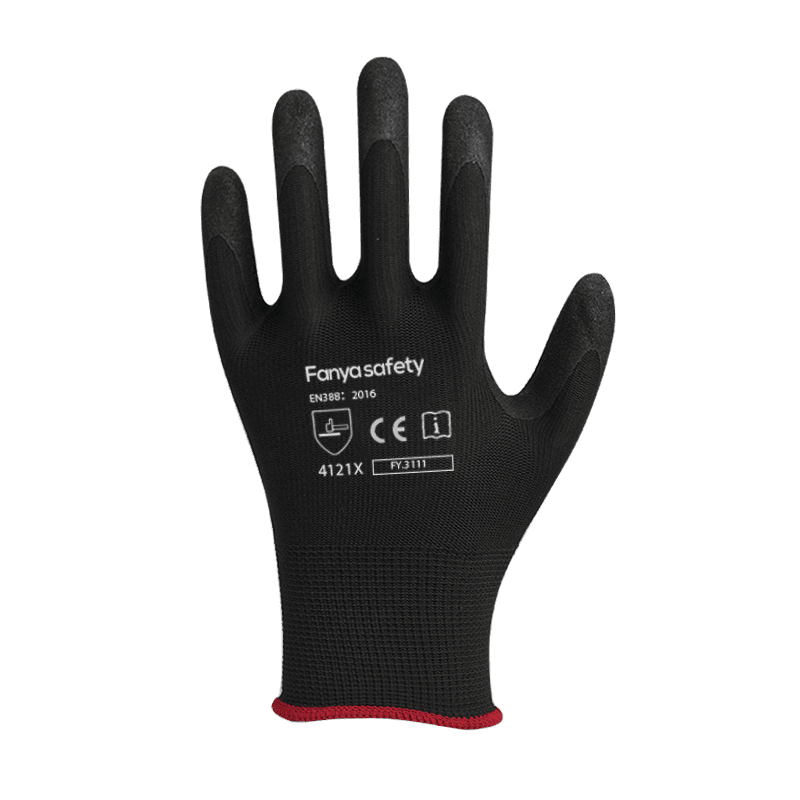
Nitrile gloves are manufactured through a dipping process where a hand-shaped mold is submerged in liquid nitrile compound multiple times to build up wall thickness. Standard exam-grade nitrile gloves have a thickness of approximately 0.08 to 0.12 mm, while industrial-grade heavy-duty nitrile can reach 0.3 mm or more.
This thickness translates directly to protection. Nitrile gloves are tested and rated against:
Medical-grade nitrile gloves must meet FDA 21 CFR 880.6250 requirements and pass AQL (Acceptable Quality Level) testing, typically at AQL 1.5 for exam gloves and AQL 2.5 for surgical gloves. This regulatory framework makes nitrile the backbone of healthcare, laboratory, and food processing personal protection.
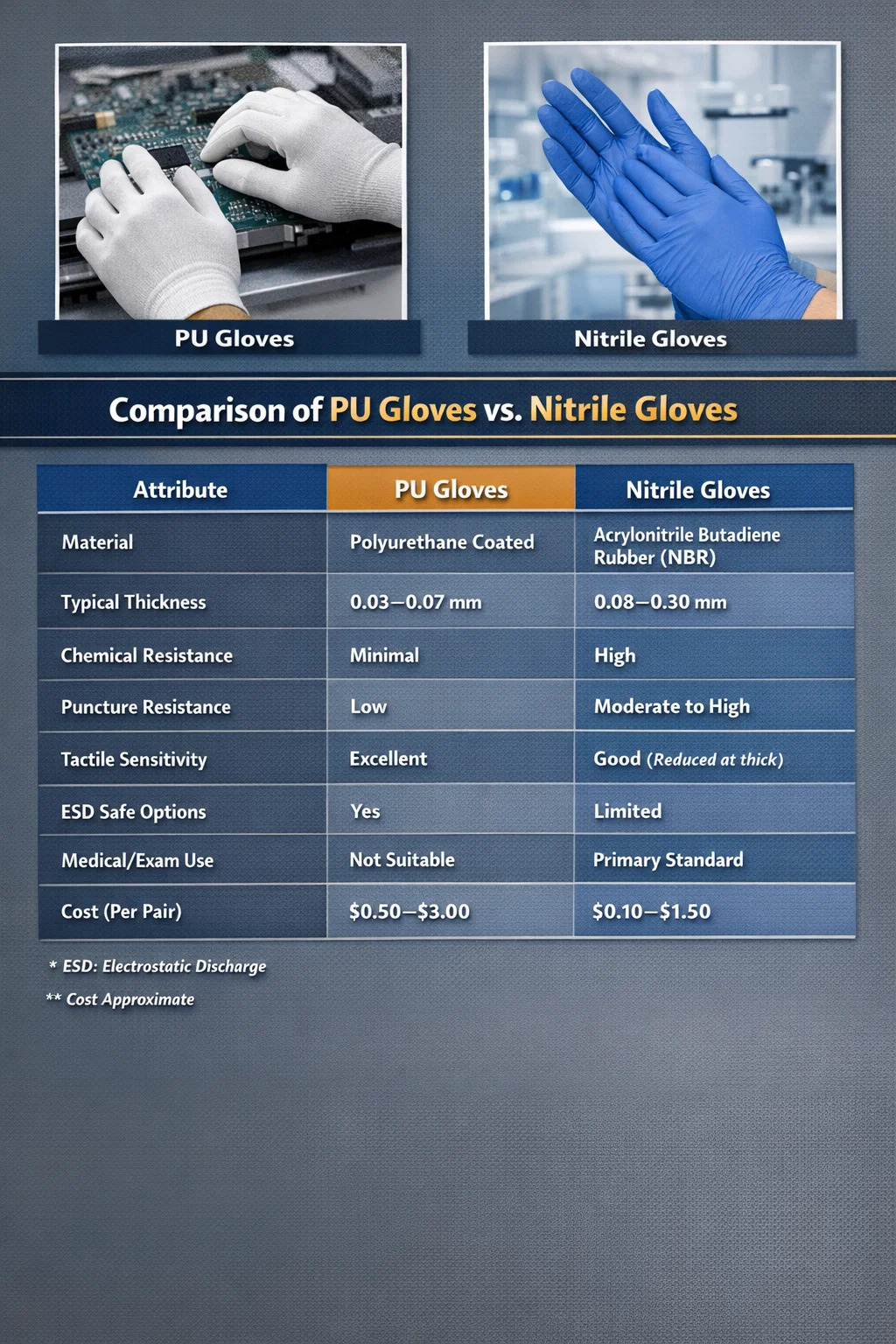
The table below breaks down the most important technical and practical differences between the two glove types.
| Attribute | PU Gloves | Nitrile Gloves |
|---|---|---|
| Material | Polyurethane (often coated on liner) | Acrylonitrile butadiene rubber (NBR) |
| Typical Thickness | 0.03–0.07 mm (palm area) | 0.08–0.30 mm |
| Chemical Resistance | Minimal—not rated for chemicals | High—rated for oils, acids, solvents |
| Puncture Resistance | Low | Moderate to High |
| Tactile Sensitivity | Excellent | Good (reduced at higher thickness) |
| ESD Safe Options | Yes, commonly available | Limited; specialized products only |
| Medical/Exam Use | Not suitable | Primary standard |
| Latex Allergy Safe | Yes | Yes |
| Cleanroom Compatible | Yes (ISO Class 4 and above) | Yes (specialized cleanroom nitrile) |
| Cost (per pair, approx.) | $0.50–$3.00 | $0.10–$1.50 (exam grade) |
If your work involves any chemicals whatsoever, nitrile gloves are the only reasonable choice between these two options. PU gloves provide essentially no barrier protection against solvents, oils, acids, or biological fluids. The polyurethane polymer will degrade, swell, or allow permeation when exposed to common laboratory chemicals.
Nitrile's chemical resistance comes from its acrylonitrile content. Higher acrylonitrile content (measured as ACN percentage) generally improves resistance to hydrocarbons and oils but slightly reduces flexibility. Most commercial nitrile gloves contain between 28% and 33% ACN, balancing protection and dexterity.
It is worth noting that even nitrile has limits. No single glove material handles every chemical. Always consult the chemical resistance chart provided by the glove manufacturer before relying on any glove for specific solvent exposure.
The primary engineering advantage of PU gloves is feel. When you need to sense the edge of a microchip, detect a hairline scratch on an optical surface, or manipulate a 0.5 mm connector pin, PU gloves allow a level of feedback that thicker gloves simply cannot match.
In a standard tactile sensitivity test (monofilament threshold testing), PU-coated fingertip gloves reduce tactile sensitivity by approximately 10–15% compared to bare hands, while standard nitrile exam gloves reduce sensitivity by 20–30%. For assembly workers placing components under 10x magnification, this difference is operationally significant.
Manufacturers like Showa, Ansell, and Mapa have developed ultra-thin nitrile gloves that approach PU sensitivity levels—some as thin as 0.05 mm—but these sacrifices in thickness mean reduced chemical and puncture resistance. There is always a trade-off.
PU gloves also tend to breathe better over long shifts because the knitted liner wicks moisture away from the skin. Nitrile gloves, being fully sealed rubber, trap perspiration. In environments where workers wear gloves for 6–8 hours continuously, this can lead to skin maceration and dermatitis. Powdered nitrile gloves were developed partly to address this, though they have been banned from medical use in many countries due to contamination risks.
Both PU and nitrile gloves are used in cleanrooms, but they serve different roles and are not equivalent substitutes in controlled environments.
PU-coated gloves are preferred for electronics and semiconductor cleanrooms because they generate very low particulate contamination. The polyurethane coating sheds fewer particles than many alternatives, and the surface is compatible with most ESD-sensitive components. Standard cleanroom PU gloves are certified to ISO 14644-1 Class 4 or better and tested per IEST-RP-CC005 for cleanliness.
Cleanroom-grade nitrile gloves exist and are widely used in pharmaceutical manufacturing and biotech cleanrooms where chemical exposure or sterility requirements dominate. These are not the same as standard exam-grade nitrile—they undergo additional washing, double-bagging, and gamma irradiation sterilization processes. Cleanroom nitrile gloves are typically priced at $1.00–$4.00 per glove, far above standard medical nitrile.
Using standard nitrile exam gloves in an electronics cleanroom is generally not acceptable because they can introduce ionic contamination and excess particulate matter that damages sensitive wafers or components.
For high-volume disposable use—such as medical examination gloves or food handling—nitrile is dramatically cheaper. A case of 1,000 exam-grade nitrile gloves commonly retails between $80 and $150, putting the per-glove cost at $0.08 to $0.15. During the COVID-19 pandemic, nitrile prices spiked to over $0.50 per glove, but markets have normalized significantly since 2022.
PU-coated work gloves are not typically purchased by the thousands for single-use. They are reusable work gloves replaced when the coating degrades. A single pair of quality PU assembly gloves from brands like Showa 7500 or Ansell HyFlex 11-600 retails for $3 to $8 per pair, with an expected lifespan of weeks to months depending on use intensity.
When comparing cost per hour of use rather than cost per unit, the gap between PU work gloves and disposable nitrile narrows considerably. A pair of PU gloves used 40 hours per week for 4 weeks costs roughly $0.05–$0.20 per hour of protection. Disposable nitrile changed every 2 hours costs approximately $0.05–$0.15 per hour in bulk purchase.
Nitrile gloves have measurably better puncture resistance than PU gloves, which is one reason they are standard in medical environments where needle sticks and sharp instrument contact are risks. ASTM D6319 and EN 455 testing protocols measure puncture resistance in medical nitrile gloves, with passing thresholds requiring the glove to withstand a minimum force without perforation.
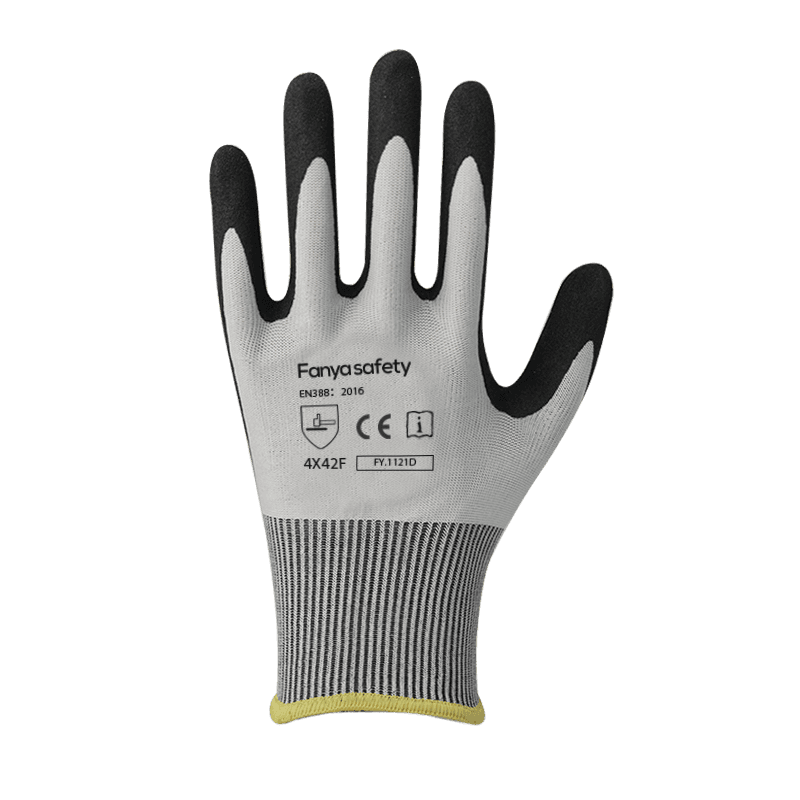
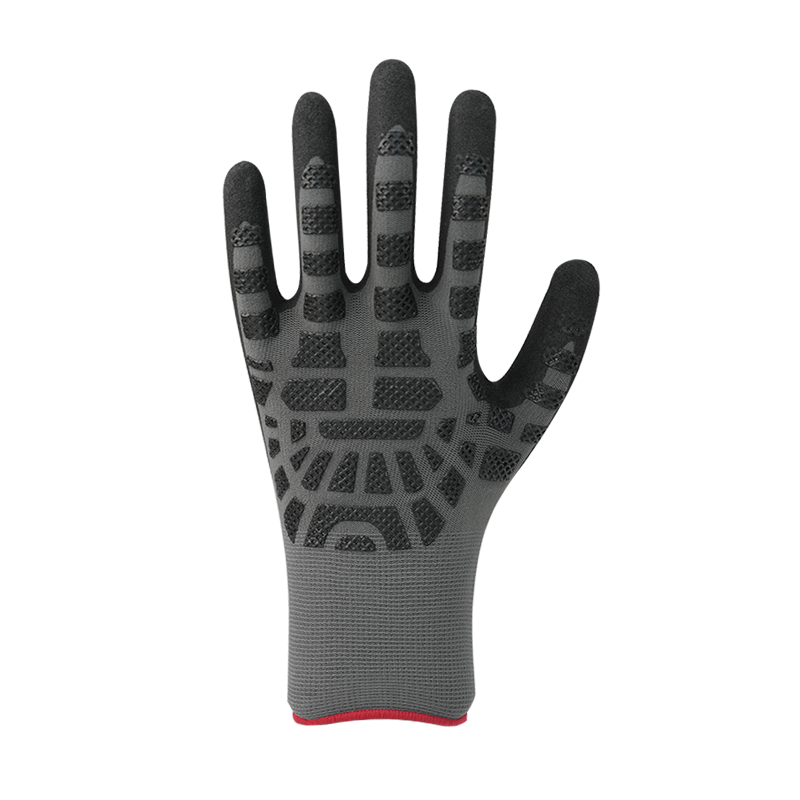
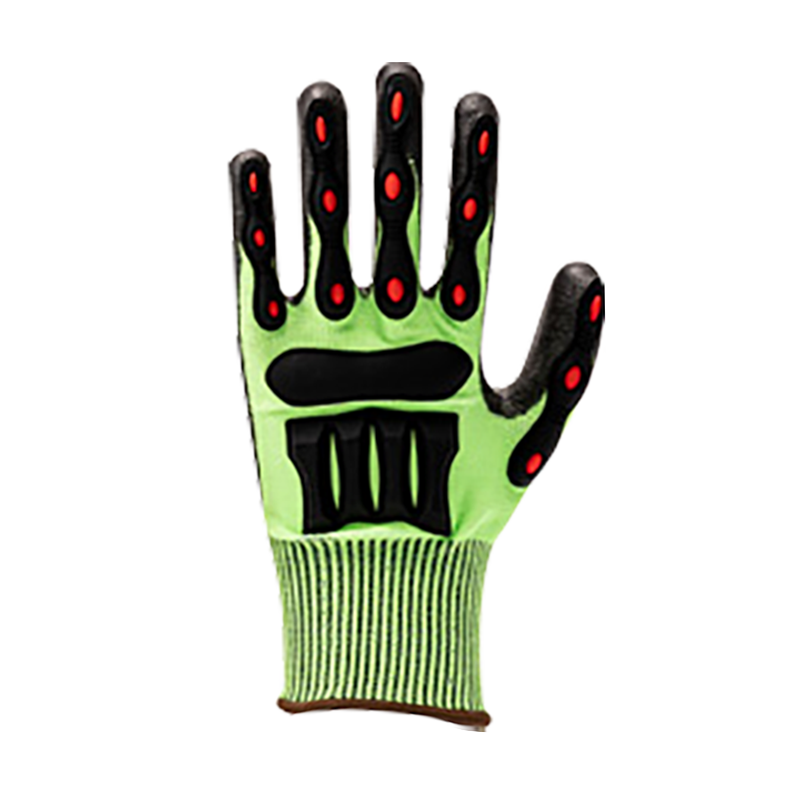
For industrial applications requiring cut or puncture resistance beyond what basic nitrile offers, heavy-duty nitrile work gloves with reinforced backs are available and rated under EN 388 for mechanical protection. These are entirely different products from disposable exam-grade nitrile gloves but use the same base material.
PU gloves are not puncture-resistant. The ultra-thin coating will not withstand contact with sharp edges, needles, or rough metal surfaces. Attempting to use PU gloves as protective gloves in environments with cut hazards creates false security and real danger.
Rather than debating which glove is "better" in the abstract, the practical question is which glove matches the specific task. The following guide covers the most common scenarios.
Not always. Thickness matters for puncture and mechanical protection, but chemical permeation depends on the polymer's chemical affinity with the substance, not just the glove's thickness. A thin nitrile glove may outperform a thick PU glove against oil exposure because the material itself resists permeation, regardless of thickness.
Standard nitrile exam gloves are not ESD-safe and are not designed for cleanroom environments. Using them on sensitive electronics can generate static charges that damage components. This is a common and costly mistake in electronics hobbyist and manufacturing environments alike.
The opposite is often true. High-grade cleanroom PU gloves from manufacturers like Ansell, Showa, or Mapa are precision-engineered products with tight manufacturing tolerances and documented contamination control performance. They cost significantly more than standard exam nitrile and are specified into manufacturing processes by engineers, not purchasing departments.
Disposability is the only meaningful similarity between exam-grade nitrile and disposable PU fingercot gloves. Their protective mechanisms, chemical compatibility, regulatory certifications, and intended applications differ substantially.
Both PU and nitrile gloves are petroleum-derived synthetic materials and are not biodegradable under standard conditions. Nitrile gloves, consumed in enormous volumes globally—estimates suggest over 300 billion disposable gloves were produced annually during peak pandemic demand—represent a significant plastic waste stream.
Reusable PU work gloves, used for weeks or months before disposal, carry a lower per-use environmental footprint than disposable nitrile. However, in applications requiring sterility or contamination control, the option to reuse simply does not exist.
Several manufacturers have begun producing biodegradable additive nitrile gloves that claim accelerated breakdown in landfill conditions, though independent verification of these claims varies. Composting or incineration with energy recovery are the most realistic end-of-life options for high volumes of used nitrile gloves in industrial settings.
Both glove types are available in standard sizes from XS through XXL, and both are latex-free. However, their fit characteristics differ.
PU-coated work gloves feature a knit construction that conforms closely to the hand without pressure points. Most workers find them comfortable for extended wear. Sizing tends to run consistent with standard hand measurement guidelines.
Nitrile gloves come in ambidextrous and hand-specific (left/right designated) variants. The ambidextrous design, while economical, means the glove is not optimized for either hand and can cause fatigue during fine motor tasks over long periods. Hand-specific nitrile gloves are available from premium brands and make a meaningful difference in comfort and dexterity for high-use healthcare workers.
Skin reactions to nitrile are relatively uncommon but do occur. The accelerator chemicals used in nitrile vulcanization—particularly thiurams and dithiocarbamates—can trigger Type IV delayed hypersensitivity reactions. Accelerator-free nitrile gloves are now available from several manufacturers specifically to address this, typically at a price premium of 20–40% over standard nitrile.
Your email address will not be published. Required fields are marked *
You can contact to me using this form.