
 中文简体
中文简体

Product Consultation
Your email address will not be published. Required fields are marked *
Content
People wear black nitrile gloves for a combination of practical and professional reasons: they hide stains while still revealing light-colored contaminants, they offer latex-free protection against chemicals and punctures, and they project a clean, authoritative appearance across dozens of industries. The color black is not a marketing gimmick — it solves real visibility and hygiene problems that lighter-colored gloves simply cannot address as effectively. From tattoo studios and automotive shops to commercial kitchens and law enforcement, black nitrile disposable gloves have become the default choice because they balance function, safety, and visual professionalism in a way no other glove color quite matches.
The global disposable glove market is valued at over $10 billion and continues to grow year after year. Within that market, black nitrile gloves have surged to become one of the most searched and purchased variants. Understanding why requires a look at the material itself, the role of color in real-world work environments, and the specific demands of the industries that have adopted them most enthusiastically.
Before addressing why people specifically choose the color black, it helps to understand why nitrile itself has replaced latex and vinyl as the dominant glove material across so many industries. Nitrile is a synthetic rubber — technically acrylonitrile-butadiene rubber — produced without any natural rubber latex proteins. That distinction matters enormously.
Latex allergies affect a meaningful percentage of the population, and reactions can range from mild skin irritation to life-threatening anaphylaxis. In a workplace where glove use is mandatory, a latex-allergic employee or client creates a serious liability. Nitrile gloves eliminate that risk entirely, which is why hospitals, dental offices, food service operations, and tattoo studios have all moved away from latex as a standard material.
Vinyl gloves, the other common alternative, are inexpensive but tend to split or puncture under stress. They lose their integrity quickly when handling fatty, oily, or acidic materials. Nitrile outperforms vinyl in nearly every measurable way: higher puncture resistance, better chemical barrier properties, and greater durability over extended use periods. A pair of nitrile examination gloves can typically withstand tasks that would tear through vinyl in minutes.
Black nitrile gloves, like all quality nitrile products, are powder-free. Powdered gloves were once common because the powder made donning easier, but the powder itself creates contamination risks — particularly in food handling and medical settings, where even small particles can compromise safety or trigger respiratory issues. Powder-free construction is now the industry standard, and all reputable black nitrile disposable gloves carry this feature.
Nitrile gloves certified to European standard EN374 are tested to withstand at least 10 minutes of contact with specific chemicals, including sodium hydroxide, sulphuric acid, and hydrogen peroxide. The standard evaluates penetration time, degradation level, and permeation rate — three separate measurements that together determine whether a glove is genuinely protective or merely decorative. Black nitrile gloves from reputable manufacturers routinely meet or exceed EN374 requirements, which is why they're trusted in laboratories, industrial cleaning, and chemical handling environments.
| Property | Nitrile | Latex | Vinyl |
|---|---|---|---|
| Latex-Free | Yes | No | Yes |
| Chemical Resistance | High | Medium | Low |
| Puncture Resistance | High | Medium | Low |
| Fit & Dexterity | Excellent | Excellent | Fair |
| Cost | Medium | Medium | Low |
Here is a point that most people get backwards: black nitrile gloves do not offer chemically different protection than blue, purple, or white nitrile gloves. The nitrile compound performs identically regardless of the dye added during manufacturing. The reason professionals choose black is entirely about how color functions in real working conditions — and it turns out, color matters quite a lot.
In service industries where the worker is visible to a client throughout a procedure — tattooing, barbering, hair coloring, cosmetic work — the appearance of the glove directly affects the client's perception of professionalism and cleanliness. A white or blue glove that becomes visibly stained with ink, dye, or blood within the first few minutes of a procedure looks unsanitary, even when it isn't. Black hides those marks, maintaining a clean aesthetic from start to finish. Tattoo artists in particular have standardized on black nitrile gloves to the point where the gloves have become part of the visual identity of the trade.
In automotive, maintenance, and fabrication environments, black serves a different purpose — contrast. Most oils, greases, fuels, lubricants, and hydraulic fluids are light-colored or translucent. On a black glove, these substances become immediately visible as reflective patches or color changes. This matters for safety: if a mechanic can see where the grease has accumulated, they know which parts of their hands have been in contact with the substance and can change gloves or take precautions accordingly. A darker glove does not hide contamination in these settings — it highlights it against the dark background.
Law enforcement and forensic professionals use black gloves for a related reason. Powders, residues, fibers, and other light-colored trace materials are far easier to spot against a black surface than against a blue or white one. When detecting suspicious materials at a scene is part of the job, the color of the glove actively supports that task rather than working against it. This is a functional decision, not an aesthetic one.
Many facilities use glove color as a contamination control system. Different colors are assigned to different tasks or zones: blue for food prep, purple for cleaning chemicals, black for client-facing procedures. This visual system helps staff remember which gloves are appropriate for each area without needing to read labels or check packaging mid-task. When black is designated for a specific role, everyone can identify at a glance whether the right gloves are being used in the right place.
Black nitrile disposable gloves have been adopted across an unusually wide range of industries, each for reasons that overlap in some areas and diverge in others. Understanding the specific demands of each sector helps explain why this particular product has become so dominant.
Tattooing involves prolonged skin contact, exposure to blood and bodily fluids, and the use of inks that stain virtually everything they touch. Nitrile gloves provide the necessary barrier against bloodborne pathogens, and the black color conceals ink staining throughout a session that may last several hours. Beyond hygiene, black gloves have become part of the visual aesthetic of professional tattooing — clients associate them with skill and experience. In a studio environment where appearance signals credibility, the choice of black nitrile gloves is as deliberate as the choice of equipment.
Mechanics work with petroleum-based compounds, brake fluids, transmission oils, degreasers, and battery acids on a daily basis. These substances are damaging to skin over time and difficult to remove with ordinary hand washing. Black nitrile gloves rated for chemical resistance provide a dependable barrier. The automotive industry tends toward black-colored tools and accessories as a convention, so black gloves also fit naturally into the visual environment of a shop floor. Thicker glove options — 6 mil to 8 mil — are often chosen for heavy-duty mechanical work where puncture risk from sharp metal edges is significant.
Food service presents a different set of requirements. Here, the primary concern is hygiene, not chemical resistance. Black nitrile gloves certified to food safety standards — EN1186 in Europe, FDA-compliant in the United States — are suitable for direct food contact. Chefs in open kitchens, at buffets, or at catered events choose black for aesthetic consistency. A bright blue or white glove stands out against dark food like brisket, grilled vegetables, or chocolate, which can look visually disruptive on a presentation plate. Black gloves blend into the background, keeping the food as the focal point.
There is also a practical safety reason specific to kitchen use: tears or splits in a black glove against light-colored food are visible, allowing chefs to detect glove failure before glove material contaminates the dish. This is particularly important during rapid prep work under time pressure, when inspecting gloves methodically between every task is not realistic.
Hair colorists work with peroxide, ammonia-based dyes, and bleaching agents that can cause contact dermatitis after repeated exposure. Nitrile's chemical resistance makes it a safer barrier than latex or vinyl for this type of work. The black color conceals dye staining throughout a coloring session, allowing the stylist to maintain a clean appearance when working in view of clients. Some professionals in the beauty sector also report that black gloves feel more premium — a perception that contributes to client confidence in the service.
Healthcare has traditionally used blue or purple nitrile gloves, partly for historical reasons and partly because lighter colors make it easier to spot visible contamination against a clinical background. However, black nitrile examination gloves are increasingly used in dental procedures, minor surgeries, and dermatology clinics where the dark color helps practitioners see lighter-colored materials — tooth fragments, powders, residues — more clearly. The latex-free composition is essential in any medical setting where patient allergy status may be unknown.
Cleaning professionals work with bleach, ammonia, degreasers, and disinfectants that can cause chemical burns and chronic skin damage with regular unprotected exposure. Black nitrile gloves rated for chemical resistance — typically 5 mil to 8 mil thickness — provide adequate protection for these substances. The gloves also need to maintain grip on wet surfaces, which is why textured fingertip designs are commonly specified for janitorial use. The professional appearance of black gloves also matters when cleaning staff work in visible areas of office buildings, hotels, or public venues.
Officers and security personnel use nitrile gloves when searching individuals, handling evidence, or managing biohazardous materials in the field. Black is preferred partly for the visual contrast reasons discussed earlier — light powders and residues are easier to spot — and partly because black gloves align with the uniform and equipment color conventions of the profession. The discreet appearance also matters in sensitive situations where drawing attention to protective equipment could complicate interactions.
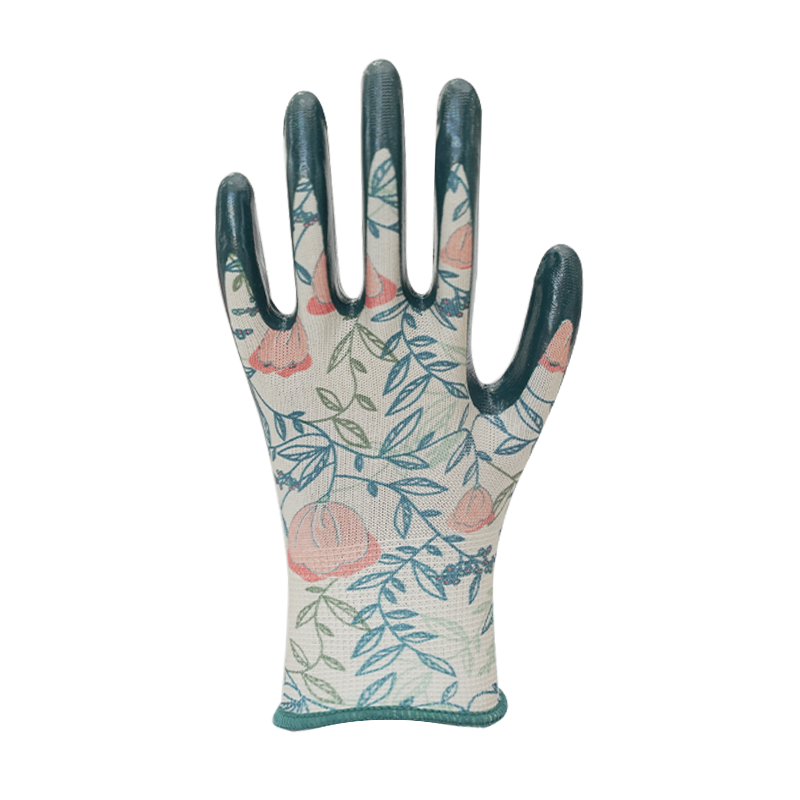
Any glove worn for extended periods needs to be comfortable enough not to impair the work being done. This is where nitrile has another practical advantage over alternatives. The material conforms to hand shape after several minutes of wear, fitting more closely than vinyl and providing better tactile feedback than thicker rubber alternatives. Tasks that require fine motor control — tattooing, dental work, electronics assembly, laboratory pipetting — become noticeably harder when gloves bulk up or reduce grip sensitivity. Quality black nitrile examination gloves are designed to minimize both of these problems.
Hand fatigue during long shifts is a genuine occupational concern. A poorly fitting glove requires constant micro-adjustments and increases grip effort, which adds up over hours. Black nitrile disposable gloves in the correct size should not cause hand fatigue during a standard work shift, and users consistently report that the gloves remain comfortable even after several hours of continuous use. Choosing the right size is essential — a glove that is too tight restricts circulation and dexterity, while one that is too loose slips during precision work.
Many black nitrile gloves feature micro-textured fingertips or full palm texturing. This surface treatment improves grip on wet, oily, or slippery surfaces — conditions that are common in kitchens, automotive shops, cleaning environments, and laboratories. The texture works by increasing the surface contact area between the glove and the object, much like the tread pattern on a tire. For tasks where dropping an object would cause damage, injury, or contamination, textured nitrile gloves are significantly safer than smooth alternatives.
Black nitrile gloves are available in a range of thicknesses, typically measured in mils (thousandths of an inch). Choosing the right thickness for the task at hand directly affects both protection level and tactile sensitivity:
Using a glove that is too thin for the task provides inadequate protection. Using one that is unnecessarily thick reduces tactile feedback and increases cost per use. Most professionals settle on a thickness that matches their most demanding regular task and use thinner gloves for lighter work.
The most common comparison people make is between black and blue nitrile gloves, since both are widely available and made from the same underlying material. As established, the protection is identical — the choice comes down entirely to the visual function of the color in context.
Blue nitrile gloves remain the standard in clinical healthcare settings for a specific reason: the blue color is distinct against most skin tones and food products, making it immediately obvious if a glove fragment were to accidentally contaminate a patient area or meal. In food processing facilities, regulatory requirements in some regions specifically require colored gloves — often blue — precisely so that glove pieces can be detected visually in finished products.
Black gloves present the opposite visual profile. They are less visible against certain foods and skin tones, which is why they are not universally appropriate in regulated food processing environments. However, in service contexts — restaurants, catering, open kitchens — where a fragment would be caught immediately rather than processed through machinery, the risk is minimal and the aesthetic benefit of black is significant.
| Industry / Setting | Recommended Color | Primary Reason |
|---|---|---|
| Tattoo Studio | Black | Hides ink, professional image |
| Automotive / Mechanics | Black | Contrast visibility for light oils |
| Hospital / Clinical Care | Blue or Purple | Visible contamination detection |
| Professional Kitchen | Black | Aesthetic consistency, tear visibility |
| Hair Salon | Black | Dye concealment, premium perception |
| Food Processing Plant | Blue | Regulatory fragment detection |
| Law Enforcement | Black | Powder/residue visibility, uniform match |
| Commercial Cleaning | Black | Professional appearance, chemical resistance |
Not all black nitrile gloves deliver the same level of protection, and the market includes products ranging from rigorously tested professional-grade gloves to cheap imports that meet no meaningful standards. Knowing which certifications matter for a given use case is essential before purchasing in bulk.
For general-purpose use, AQL 1.5 is adequate. For medical, laboratory, or chemical handling environments, AQL 0.65 or lower should be the minimum acceptable standard. Purchasing extremely low-cost gloves from unknown suppliers is risky precisely because these gloves may carry no certification at all, meaning their actual barrier properties are unknown.
Wearing gloves incorrectly creates a false sense of security. A well-chosen glove worn improperly provides less protection than a moderately chosen glove used correctly. Several practical principles apply regardless of the specific application.
Glove sizing is typically based on hand circumference measured around the widest part of the palm. A glove that is too small stretches excessively at stress points, weakening the material and increasing tear risk. One that is too large bunches at the fingertips, reducing dexterity and making tasks unnecessarily awkward. Most manufacturers offer sizes from XS through XXL, and trying at least two adjacent sizes when ordering a new product for the first time is worth the small upfront cost.
Disposable nitrile gloves are single-use items. Reusing them after the first task introduces contamination risks and compromises the structural integrity of the glove — nitrile degrades after exposure to certain chemicals, and a reused glove may fail without warning. In food service, gloves should be changed any time the worker moves between raw and cooked foods, handles a non-food object (phone, door handle, cash), or completes a task and begins a new one. In medical and tattooing contexts, gloves are changed between clients without exception.
Nitrile degrades when exposed to prolonged heat, direct sunlight, ozone, and certain solvents. Gloves stored in a hot vehicle glove box or near a radiator may become brittle or lose elasticity before use. Store black nitrile disposable gloves in a cool, dry location away from direct sunlight, ideally in their original packaging until needed. Most manufacturers specify a shelf life of three to five years under proper storage conditions.
Removing a contaminated glove incorrectly defeats much of the protection it provided during use. The standard technique involves pinching the outside of one glove near the wrist without touching the skin, peeling it off and holding it in the gloved hand, then sliding two fingers under the wrist of the second glove from the inside and peeling it off over the first. This ensures the contaminated outer surfaces never contact bare skin during removal. Disposal should be into a waste bin immediately — leaving used gloves on surfaces creates contamination and hygiene risks.
One legitimate criticism of disposable nitrile gloves, including black variants, is their environmental impact. A single pair of examination gloves represents a small amount of synthetic rubber, but high-volume users — hospitals, food service operations, automotive workshops — go through thousands of pairs per month. The cumulative volume of glove waste is substantial, and traditional nitrile does not biodegrade meaningfully in standard landfill conditions.
Manufacturers have responded to this concern in several ways. Some now produce nitrile gloves with additives designed to accelerate biodegradation in landfill conditions — products like the Showa 7500PF EBT line are specifically marketed for this property. Recycling programs for used nitrile gloves have also expanded, with some suppliers offering take-back schemes for large commercial customers. These programs typically process used gloves into secondary materials rather than landfilling them directly.
For operations committed to reducing waste, the most practical step is avoiding unnecessary glove use. In food preparation contexts, for instance, gloves are not always required by regulation and handwashing may be more effective and less wasteful for certain tasks. When gloves are required, choosing the correct thickness for the task — rather than defaulting to the thickest available option — reduces material use per pair without compromising protection. Purchasing from manufacturers who have invested in more sustainable production processes is also increasingly feasible as the market for eco-conscious PPE grows.
When Would You Not Wear Latex or Nitrile Gloves?
Can Blood Pass Through Nitrile Gloves? What You Need to Know
Your email address will not be published. Required fields are marked *
You can contact to me using this form.