
 中文简体
中文简体
Product Consultation
Your email address will not be published. Required fields are marked *

Content
Nitrile gloves resist a long list of common chemicals, but they are not a universal shield. The performance gap between handling a dilute acetic acid solution and working with acetone is enormous. Your first decision should not be just choosing nitrile as a material. It should be confirming whether the specific nitrile glove in your hand has a tested breakthrough time for the exact chemical you are exposed to.
The short answer is that nitrile handles weak acids, alkalis, oils, greases, and many alcohols extremely well. It fails quickly in ketones, aromatic hydrocarbons, and chlorinated solvents. Knowing this difference prevents accidents and wasted inventory.
Nitrile is a synthetic copolymer made from butadiene and acrylonitrile. Unlike natural latex, it contains no proteins, so it causes fewer allergic reactions. The chemical resistance comes from the polymer matrix itself, which repels oil and water-based chemicals to different degrees.
Three factors determine whether a nitrile glove will protect you around a specific chemical:
If you are handling a chemical mix, you must check the weakest link. Every solvent and additive in the mix matters. A glove that survives 50% sulfuric acid could fail in the same solution if it also contains 10% naphtha.
The chart below is a general reference based on widely used industry data. It shows the relative suitability of disposable nitrile gloves for common chemical families. Actual breakthrough times depend on thickness, manufacturer formulation, and temperature.
| Chemical Family | Typical Example | Resistance Level | Usage Note |
|---|---|---|---|
| Weak acids | Acetic acid (10%) | Excellent | Safe for extended tasks |
| Moderate acids | Sulfuric acid (50%) | Good | Timed use only |
| Alkalis | Sodium hydroxide (40%) | Excellent | Common in cleaning |
| Oils and greases | Motor oil, hydraulic fluid | Excellent | Nitrile's strength |
| Primary alcohols | Ethanol, methanol | Good | Short-duration tasks |
| Ketones | Acetone, MEK | Poor | Rapid swelling and failure |
| Aromatic hydrocarbons | Benzene, toluene | Poor | Very high permeation |
| Chlorinated solvents | Trichloroethylene | Poor | Do not rely on nitrile |
One practical takeaway: if your workplace uses a mixture of toluene and acetone, your nitrile gloves are a temporary convenience, not a protective barrier. You would be far safer with a different glove material or a thicker barrier construction.
Nitrile gloves provide excellent protection for weak acids, inorganic bases, oils, greases, and many aliphatic solvents. This is why they replaced latex gloves in most industrial settings over the last decade.
In laboratory and manufacturing environments, nitrile gloves are routinely used against acetic acid, phosphoric acid, and low-concentration hydrochloric acid. According to a widely circulated chemical resistance reference, "generally speaking, nitrile gloves are resistant to many weak acids, including some nitric acids, phosphoric acids and hydrochloric acids" (source: gloves.com nitrile gloves chemical resistance guide). A 10% acetic acid solution with an 8-mil nitrile glove can often allow more than 8 hours of continuous contact.
Nitrile's strongest application area is petroleum products. Motor oil, hydraulic oil, cutting fluids, and heavy grease do not degrade nitrile quickly. In a typical CNC machining cell, a pair of quality nitrile gloves can last an entire shift if they are not mechanically torn. The synthetic rubber absorbs only tiny amounts of oil before saturation, which is why nitrile is the default choice in automotive shops.
Sodium hydroxide, potassium hydroxide, and ammonium hydroxide solutions are handled safely with nitrile gloves in concentration ranges used by food processing plants and cleaning services. A 40% NaOH solution does not cause noticeable swelling in an 8-mil nitrile glove within a typical work cycle.
Ethanol, isopropanol, and methanol can be handled for short periods. A 70% isopropyl alcohol wipe or spray will not instantly destroy the glove, though continuous soaking for an hour may cause a whitish surface hardness. For applications like pharmaceutical compounding where alcohol is frequently used, nitrile remains a better choice than latex.
If you work with any of the following solvent families, treat your nitrile gloves as a short-lived barrier with a timer running. The chemical will cross through the glove within minutes.
Acetone, methyl ethyl ketone, and methyl isobutyl ketone cause nitrile to swell rapidly and become rubbery. The glove visibly expands and turns gummy within 15 to 30 minutes of immersion. Even brief contact can cause skin contamination because the chemical migrates through the polymer structure quickly. Alternative materials like butyl rubber or PVA-coated gloves are preferred.
Benzene, toluene, xylene, and styrene have high permeation rates through nitrile. The breakthrough time at room temperature can be under 10 minutes for a 5-mil glove. You may not notice visible degradation because permeation happens at the molecular level. That is why checking a chemical resistance chart is vital; visual testing alone is dangerously misleading.
Trichloroethylene, perchloroethylene, and methylene chloride attack nitrile more aggressively than aromatic hydrocarbons. As noted by Enviro Safety Products in their materials guide, nitrile gloves do provide some protection from chlorinated solvents such as trichloroethylene and perchloroethylene, but only in concentrated exposure scenarios with very thick gloves. In practice, the safe exposure window is just tens of minutes.
High-concentration hydrogen peroxide, nitric acid, and concentrated sulfuric acid cause oxidation and degradation. A 70% nitric acid solution can make a nitrile glove brittle within a few hours. Even if the glove is not pierced, the polymer loses elasticity and cracks easily, allowing the chemical to reach your skin.
Glove manufacturers report chemical resistance using three standard metrics. The most widely recognized testing standards are ASTM F739 in North America and EN ISO 374 in Europe. Understanding these metrics helps you parse product datasheets and select a glove that actually protects your workers.
This is the most safety-critical number. It tells you how long it takes the chemical to pass through the glove material when continuous contact is maintained. For example, a breakthrough time of 30 minutes means the glove should be replaced twice within a one-hour exposure task. An 8-mil nitrile glove may have a breakthrough time of 15 minutes for acetone, whereas a 10-mil glove shows 25 minutes.
This measures how quickly the chemical molecules travel through the glove material once breakthrough happens. A higher permeation rate means the chemical reaches your skin faster and in a larger quantity. It is usually given in micrograms per square centimeter per minute. Low permeation rates are often more important than long breakthrough times for very toxic chemicals.
This is the physical change in the glove after contact. You can observe swelling, hardening, cracking, or discoloration. Degradation is reported in rating scales from 1 (no visible change) to 4 (severe physical change). Even a glove with a long breakthrough time can degrade at the surface and lose its mechanical strength, so both criteria must be considered together.
The selection process is not complicated if you follow a simple sequence. Do not skip the first step; most chemical glove failures come from skipping it.
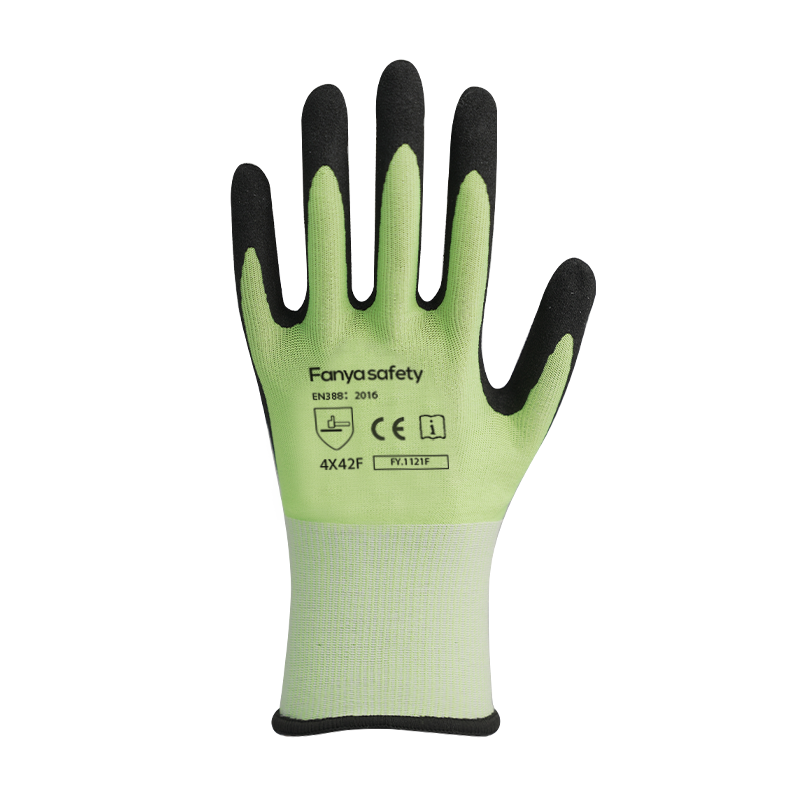
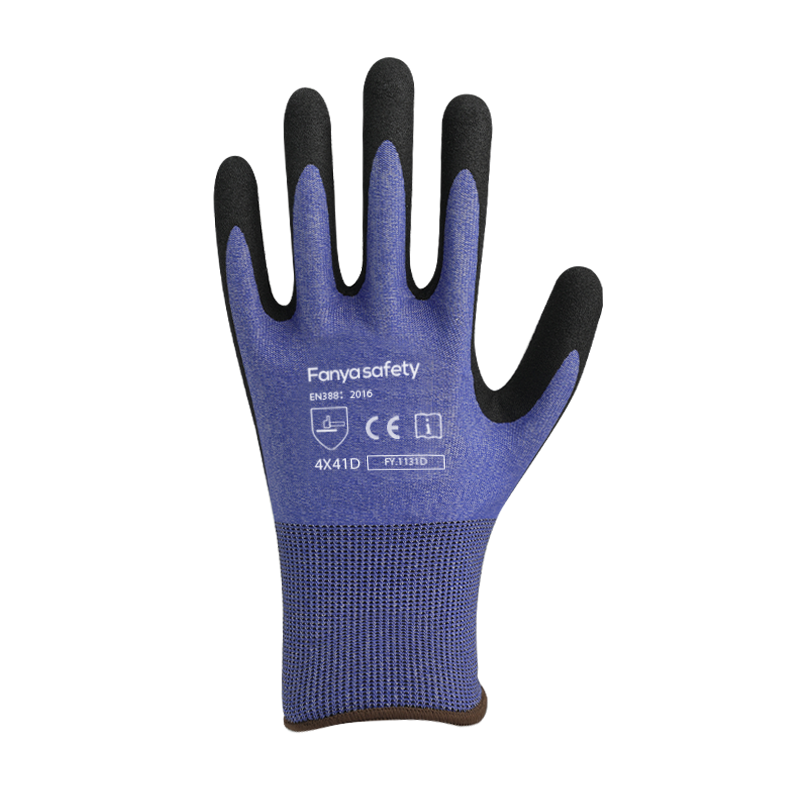
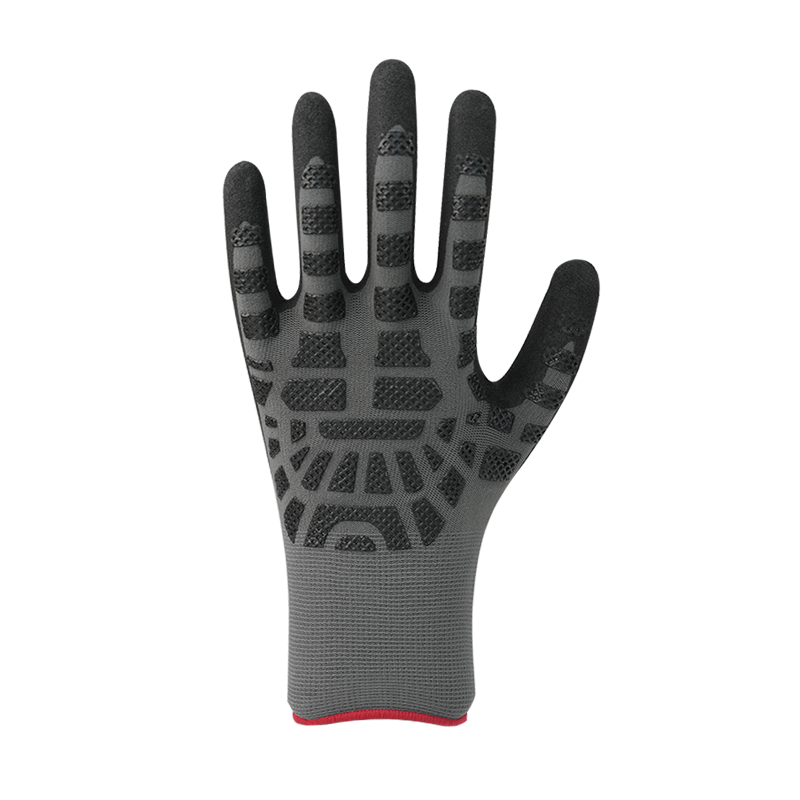
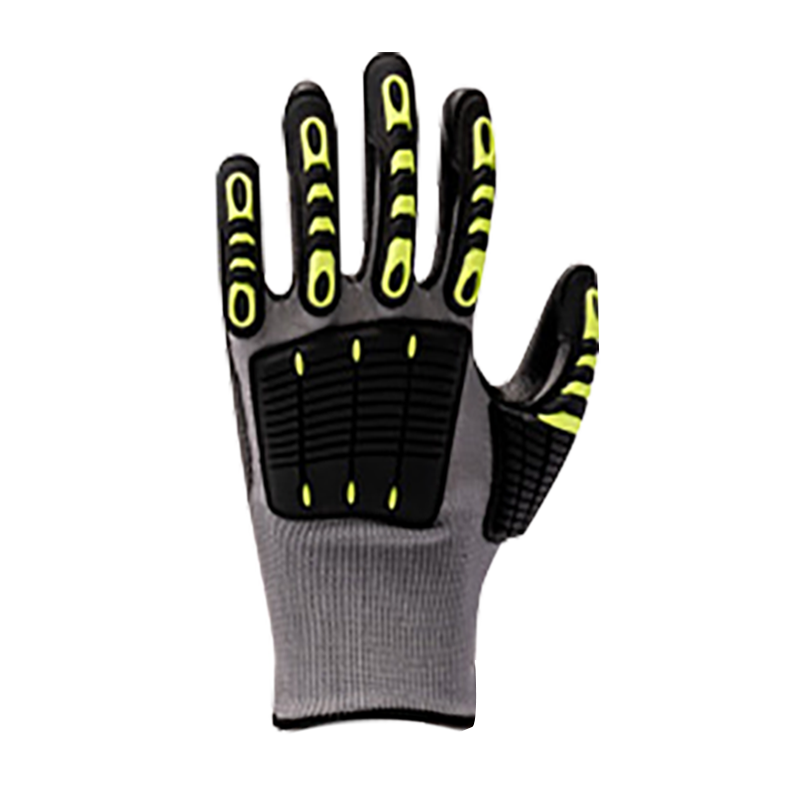
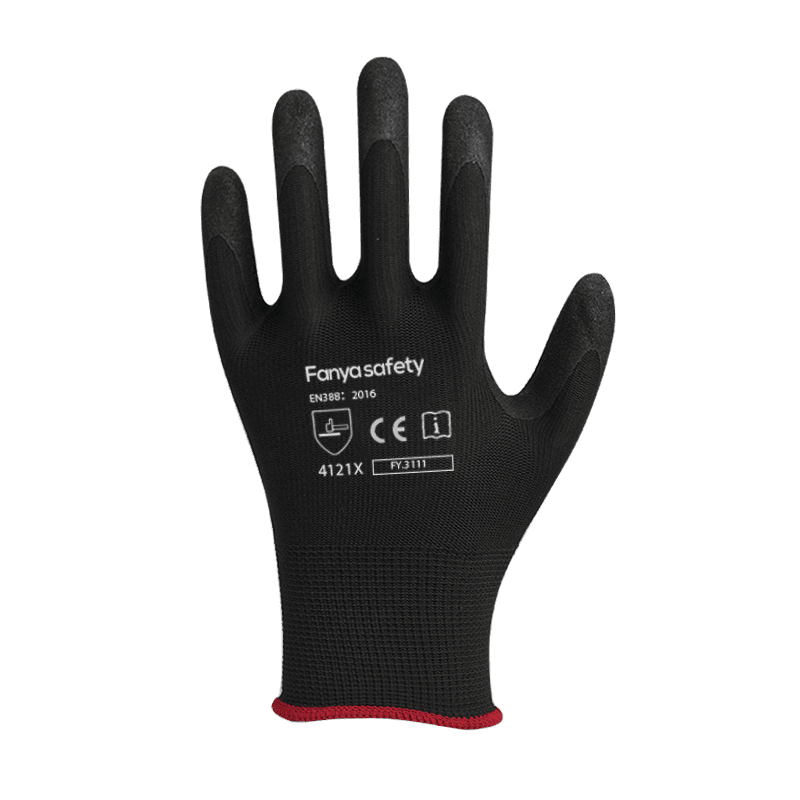
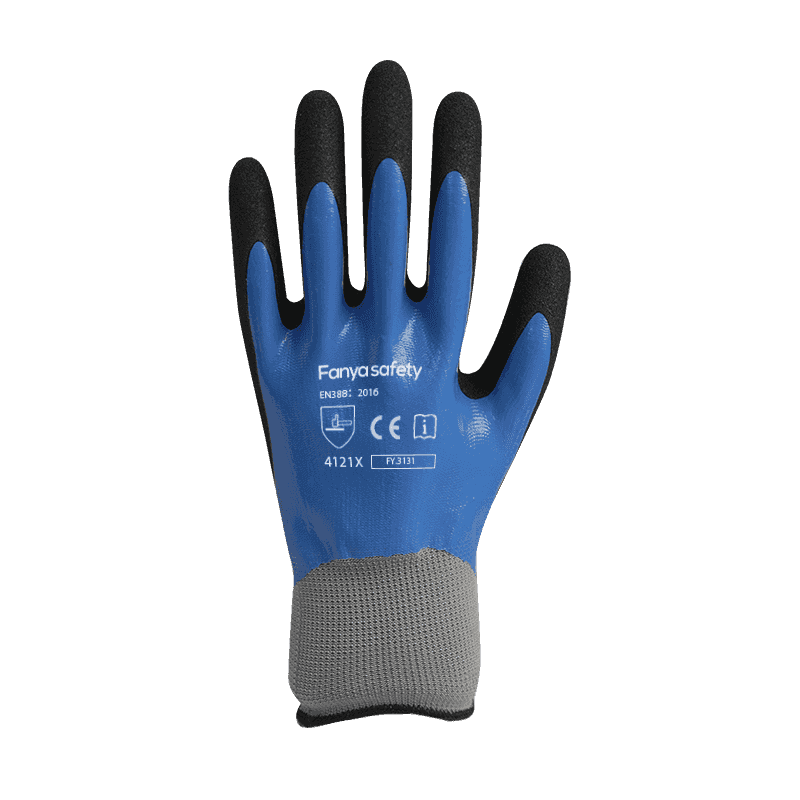
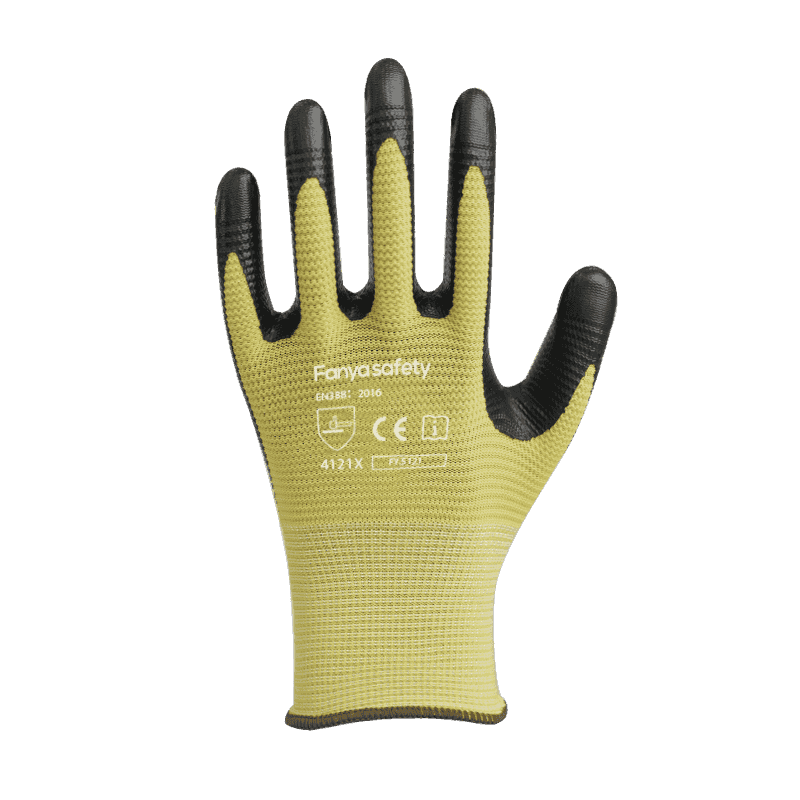
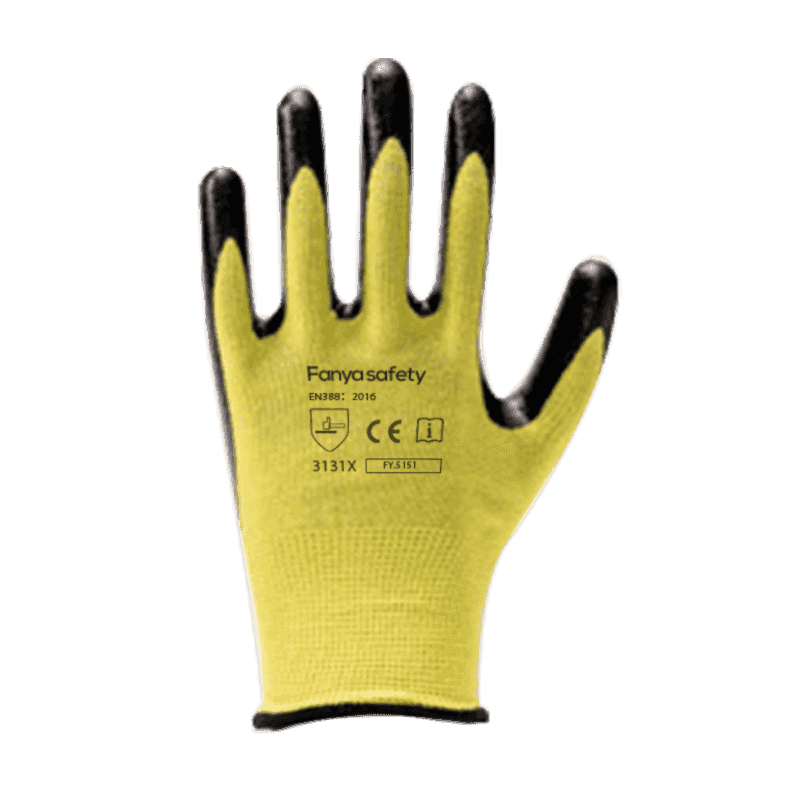
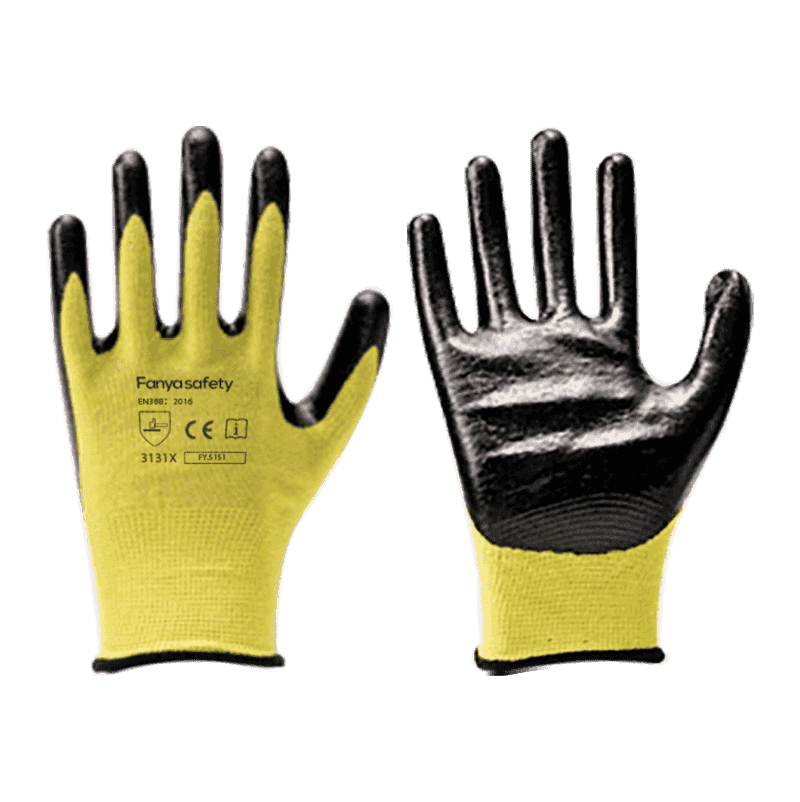
Nitrile-coated work gloves offer a different profile from disposable nitrile gloves. They combine a knitted liner with a nitrile coating on the palm or full surface. This design is ideal for assembly, packaging, and material handling tasks where oil and grease are present, but where the worker also needs grip and dexterity rather than chemical splash protection.
 13-Gauge Polyester Liner Work Gloves with Smooth Nitrile CoatingThese general maintenance gloves feature a 13-gauge polyester ribbed liner for comfort and fit, while the smooth nitrile coating provides abrasion and slip resistance, making them suitable for assembly and material handling tasks where oil and grease are present.View Product →
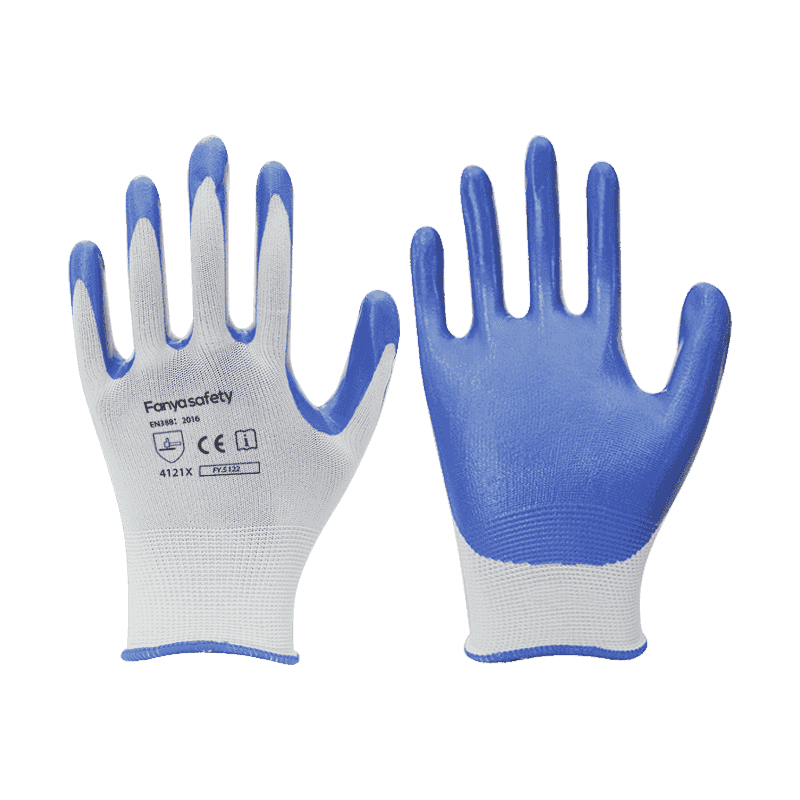
A 13-gauge polyester liner with nitrile coating is a common choice for maintenance crews and warehouse workers. It provides abrasion resistance and enough flexibility that workers can handle small parts without removing the glove. Similarly, a 13-gauge nylon liner with nitrile coating offers a slightly smoother touch for more precise tasks. If your work involves both oil exposure and a risk of cuts, a thicker nitrile-coated cut-resistant glove may be the safer route.
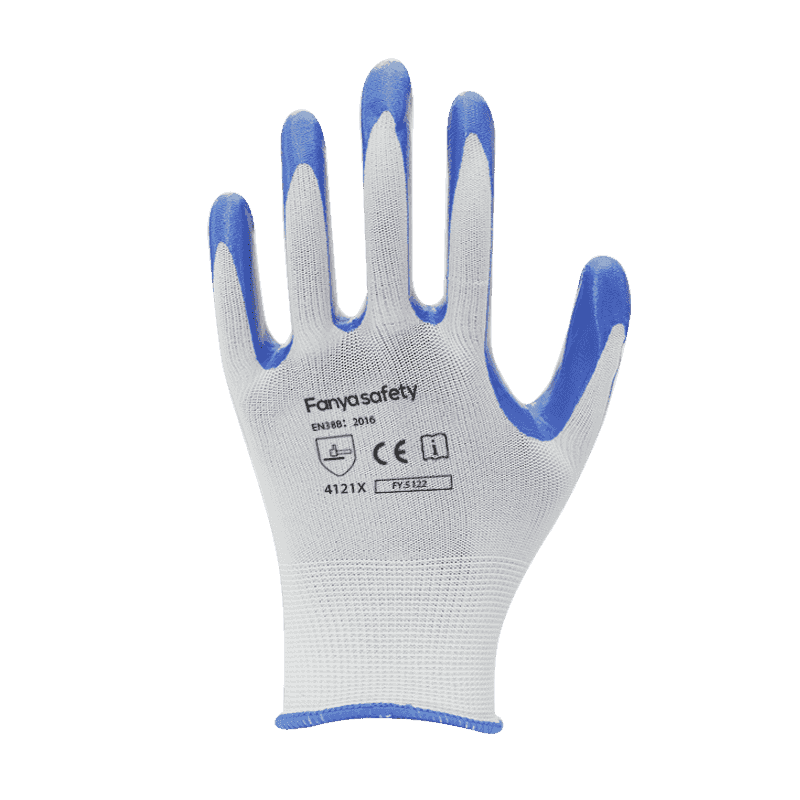 13-Gauge Nylon Liner Gloves with Smooth Nitrile CoatingOffering a delicate touch and great elasticity, these 13-gauge high elastic nylon liner gloves are coated with smooth nitrile for abrasion and slip resistance, ideal for precision work requiring dexterity and oil resistance in maintenance settings.View Product →
For wet or humid environments where workers sweat through their gloves, a bamboo or polyester ribbed liner with nitrile coating breathes better while still offering oil resistance. Consider your workload conditions, not just the gloved surface.
If the chemical risk is only incidental splash and the main hazard is abrasion, a nitrile-coated glove is an excellent fit. If the task involves direct immersion in ketones or solvents, nothing short of a specialized barrier glove will do. For a broader overview of how nitrile-coated gloves behave in practice, you can refer to this guide to nitrile coated gloves.
Nitrile gloves resist many weak and moderate acids, including acetic acid, phosphoric acid, and low-concentration hydrochloric acid. Their performance around concentrated nitric acid or hot sulfuric acid is much weaker. Always confirm the acid concentration and temperature before selecting a glove.
No, acetone will not completely dissolve the glove, but it causes rapid swelling and penetration. The breakthrough time for acetone can be as short as a few minutes. The glove loses structural integrity and allows the solvent to reach your skin.
There is no single time limit. It depends entirely on the chemical, glove thickness, and temperature. The safe approach is to read the breakthrough time from the manufacturer's chart and replace the gloves at half that time, or earlier if you notice swelling, hardening, or any change in texture.
Yes, this is the main strength of nitrile. Motor oil, hydraulic fluids, cooking oils, and most industrial lubricants are handled safely for extended periods. Nitrile is the preferred glove material in automotive, machining, and food manufacturing environments because of this oil resistance.
For chemical splash protection, a minimum of 8 mil is recommended. Thicker gloves such as 12 mil or 15 mil provide longer breakthrough times but reduce dexterity. Test the gloves at your specific workstation to find a balance between protection and usability. A 5-mil disposable glove is acceptable only for light, low-risk tasks.
No. Chemicals behave differently even within the same family. A glove that works for ethanol may fail in minutes with acetone. The safest practice is to build a chemical inventory and match it against the performance data of each glove type you are considering.
Your email address will not be published. Required fields are marked *
You can contact to me using this form.