
 中文简体
中文简体
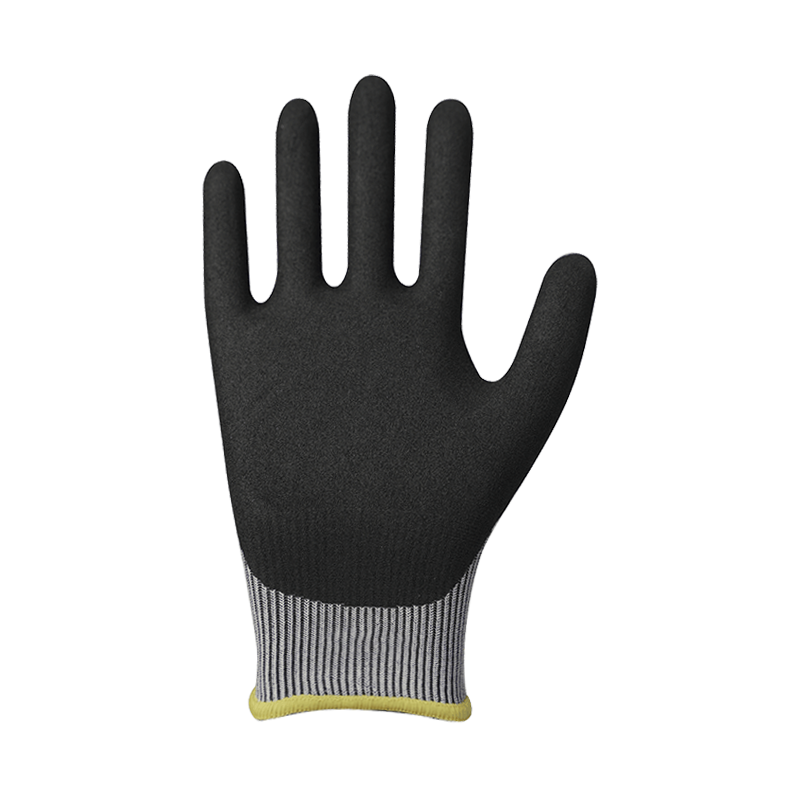
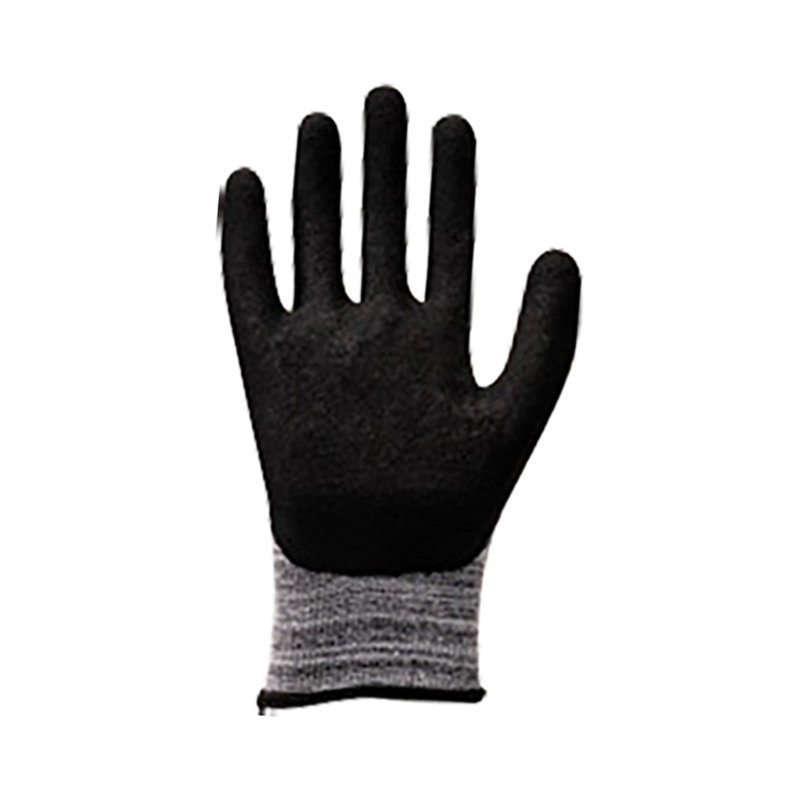
Standard:4X42C
Standard: A3
Application:
1. Glass handing operations
2. Sharp small parts handling
3. General maintenance
4. Construction
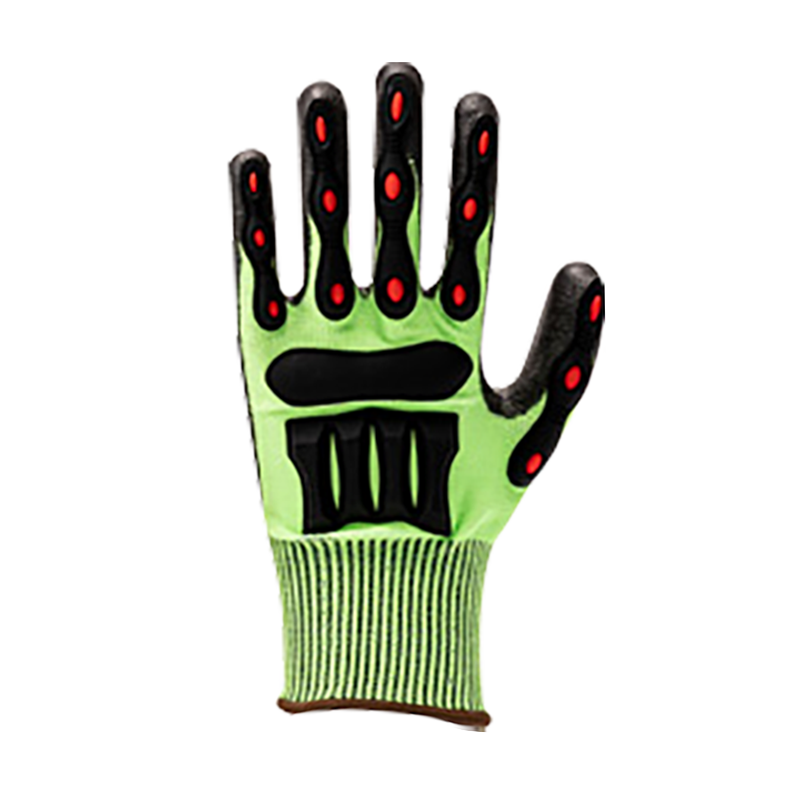
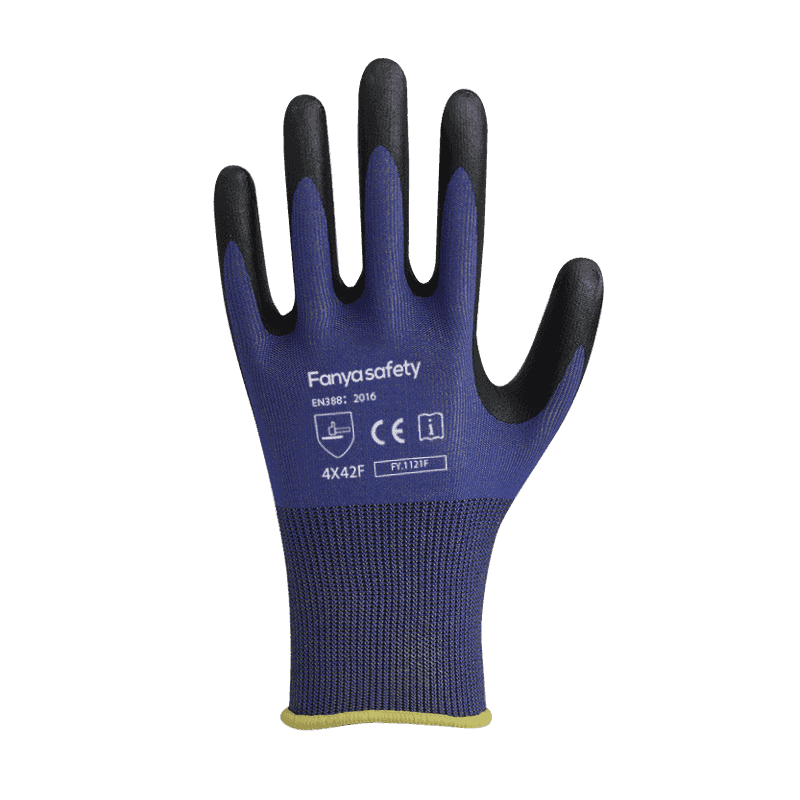
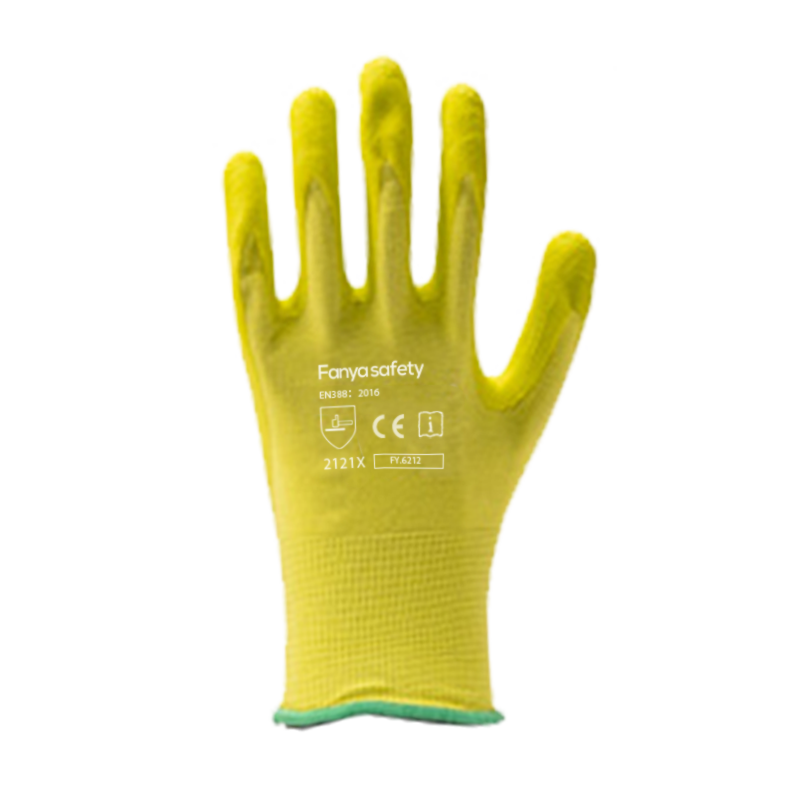
Standard:4X42C
Standard: A3
Application:
1. Glass handing operations
2. Sharp small parts handling
3. General maintenance
4. Construction
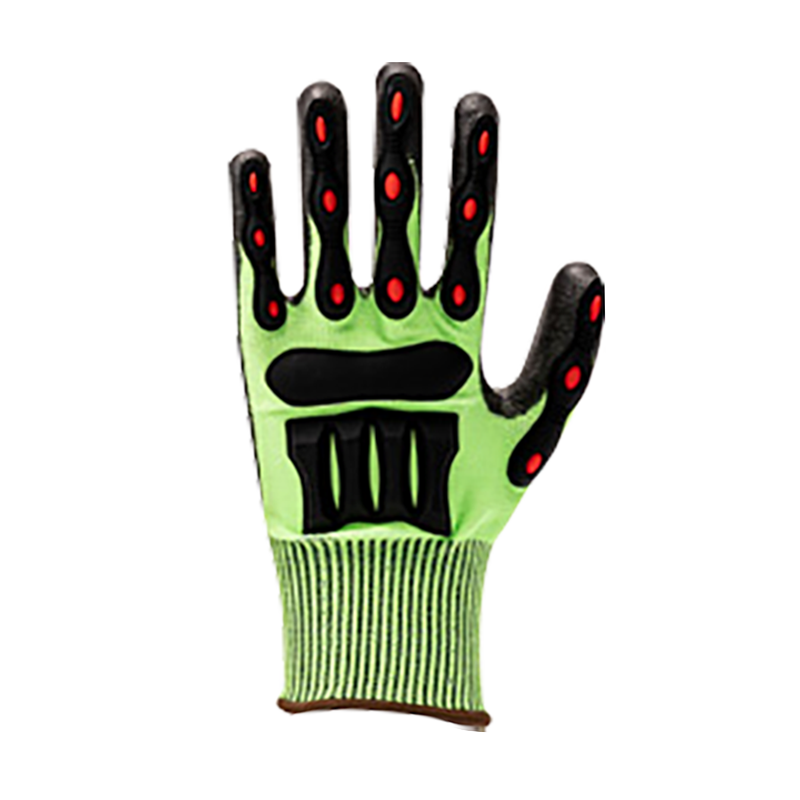
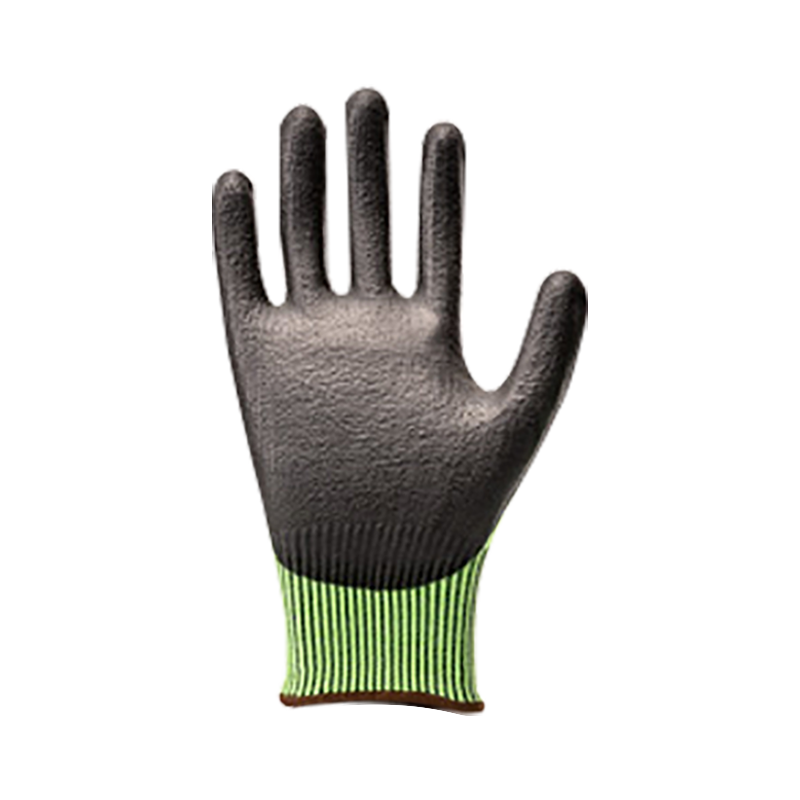
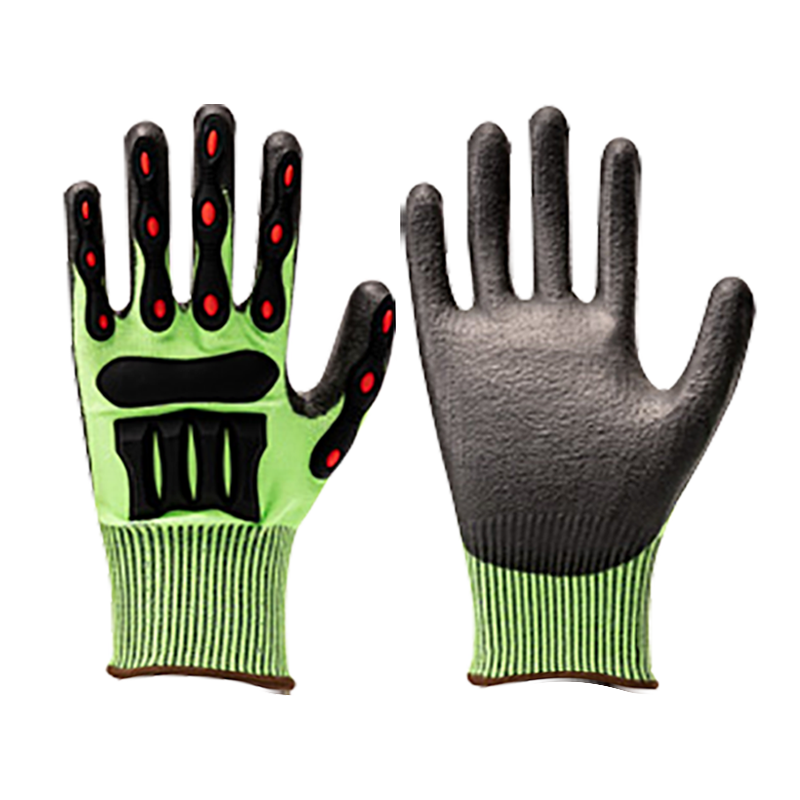
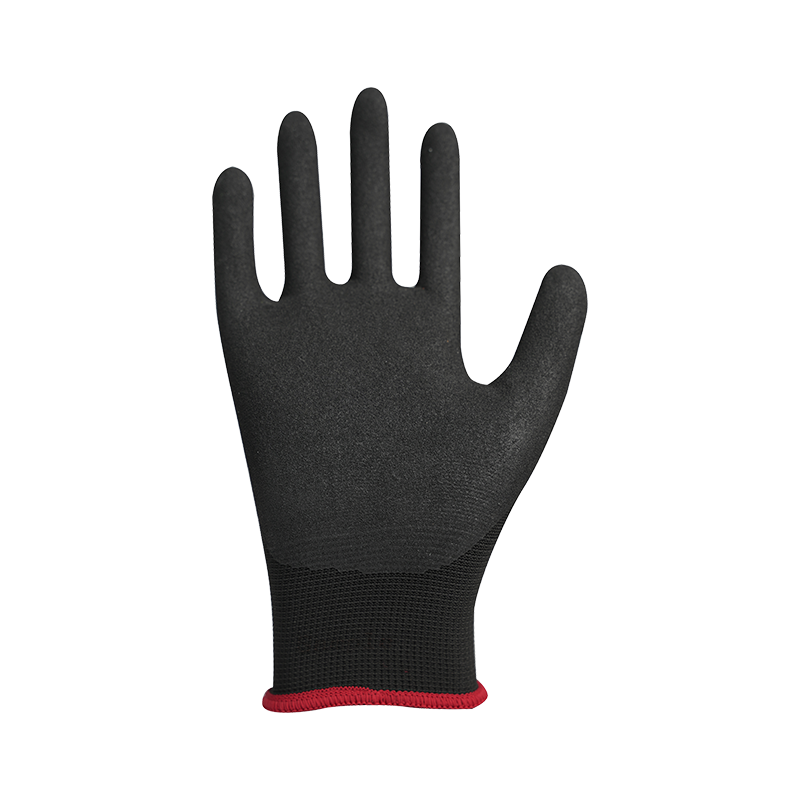
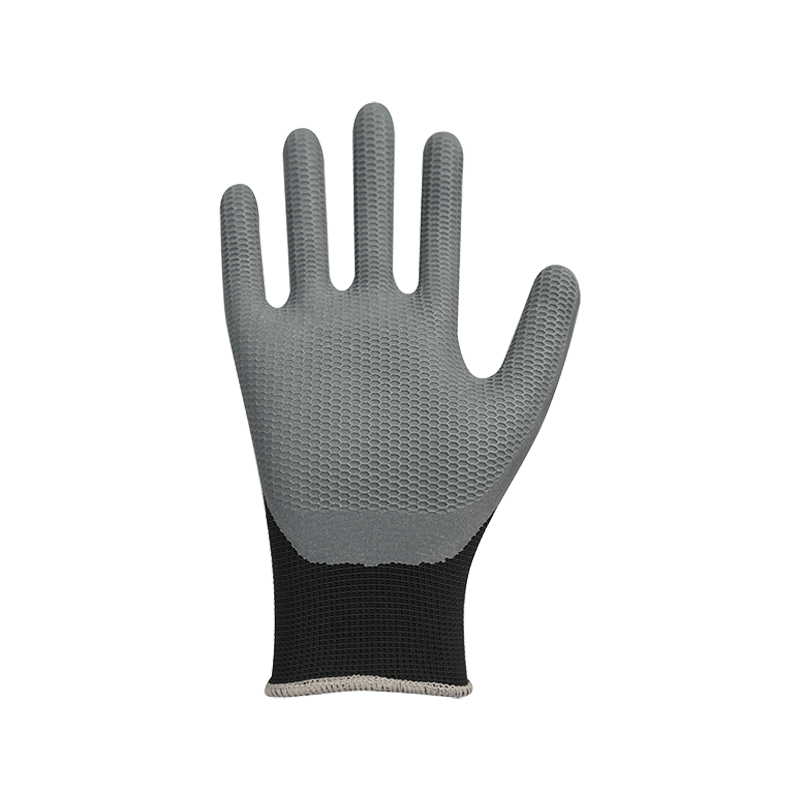
Nitrile foam coatings are impermeably providing an elevated grip in.
Anti-oil and slip prevention.
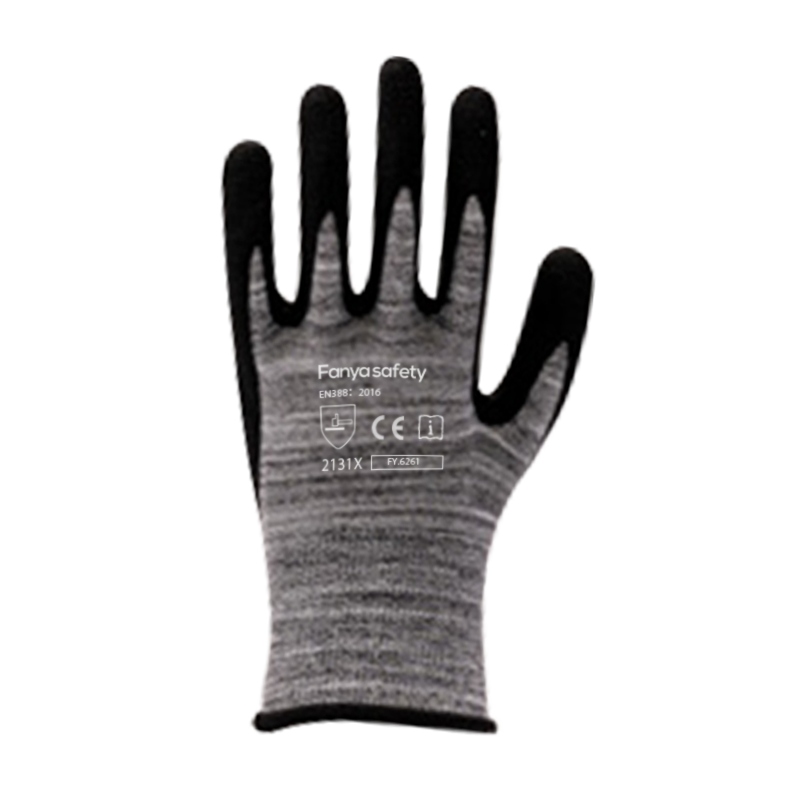
The TPR design provides excellent coverage for back- of-hand protection.
Seamless construction reduces snagging and special cuffs;
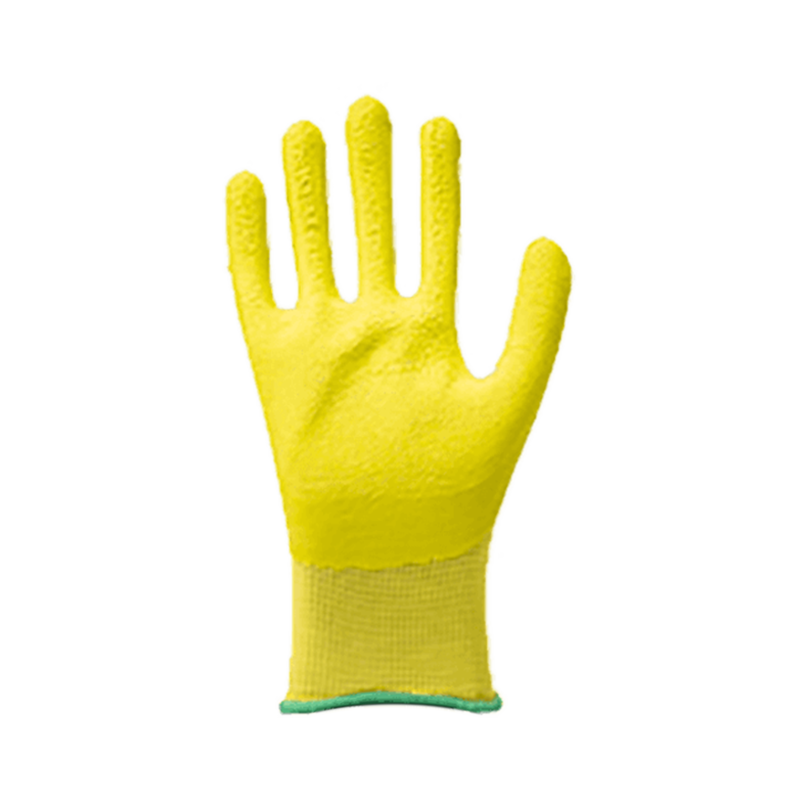
PU fingertip diiping makes more resilient, flexible and economical;
Soft and comfortable.
Imagine a food processing plant where the same team moves from raw fish to finished packaging. If all workers wear the same gray glove, no one can tell at a glance who has touched...
READ MOREThe Short Verdict: Vinyl Gloves Are Safe Only for Short, Low-Risk Tasks Vinyl gloves are safe when the job is brief, low-risk and free of blood, strong chemicals, sharp edges or h...
READ MORENitrile gloves resist a long list of common chemicals, but they are not a universal shield. The performance gap between handling a dilute acetic acid solution and working with ace...
READ MOREA technician cleaning a spray booth with solvents needs a glove that will not swell or crack when it touches acetone. A lab worker handling dilute acids often chooses nitrile beca...
READ MORENylon and polyurethane gloves are the most practical choice for precision handling and light-to-medium assembly work, and the main reason is the combination of a stretchy nylon li...
READ MOREIn the field of industrial protection, TPR gloves are a crucial piece of equipment, attracting significant attention for their performance and application value.
What are the basic materials of TPR gloves?
TPR gloves are made from thermoplastic rubber, a polymer composite material that combines the properties of both plastic and rubber. Its molecular structure imparts a high degree of plasticity and resilience to the gloves. Jiangsu Fanya Labour Protective Products Co., Ltd. strictly controls the purity of raw materials during the production process to ensure stable and reliable basic performance. This material is easy to shape in its molten state and rapidly solidifies upon cooling, forming a strong and flexible protective layer suitable for a variety of industrial operating environments.
What are the key physical and chemical properties of TPR gloves?
TPR gloves offer excellent chemical resistance, abrasion resistance, and temperature adaptability, maintaining their protective effectiveness in acidic, alkaline, and oily media without degradation. Their elastic structure provides excellent finger dexterity, reducing operator fatigue, while their surface texture enhances grip. Jiangsu Fanya Labour Protective Products Co., Ltd. has enhanced these properties through optimized formulations, ensuring the gloves maintain high-performance barrier properties even under extreme conditions. Furthermore, the material's high biocompatibility prevents skin allergic reactions and improves user comfort.
Why are TPR gloves considered the preferred protective option in industrial applications?
In high-risk environments such as manufacturing, chemical processing, and cleaning services, TPR gloves effectively block harmful substances and resist mechanical impact. Jiangsu Fanya Labour Protective Products Co., Ltd. has developed a diverse product line tailored to the needs of various industries. Its gloves offer excellent slip and tear resistance, significantly reducing the incidence of workplace injuries. This adaptability stems from the material's inherent low permeability and high strength, making them a reliable choice for long-term operations rather than disposable items.
What are the unique performance differences between TPR gloves and other types of protective gloves?
Compared to latex or nitrile gloves, TPR material offers advantages in durability and affordability. It is less susceptible to aging or hardening, extending its service life and reducing the cost of frequent replacement. Jiangsu Fanya Labour Protective Products Co., Ltd.'s TPR gloves undergo a special treatment process to further enhance fatigue resistance, achieving a balance between lightweight and protective strength, making them suitable for high-intensity, repetitive work. Furthermore, the material is recyclable, aligning with modern sustainable production practices and reducing environmental impact.
How can you evaluate the quality and suitability of TPR gloves for specific operational needs?
Quality assessment focuses on material uniformity, seam integrity, and overall flexibility. Jiangsu Fanya Labour Protective Products Co., Ltd. employs a comprehensive quality control system to ensure that each batch of products passes rigorous testing. The suitability of gloves depends on the specific risk factors of the work environment, such as chemical exposure concentration or physical friction intensity. The company provides technical support to help users select the right model. Regarding maintenance, simple cleaning and air drying restore functionality without the need for complex maintenance procedures.
How can the application potential of TPR gloves expand in diverse fields?
With technological advances, TPR gloves have expanded beyond traditional industrial protection to include medical assistance, laboratory operations, and food processing. Jiangsu Fanya Labour Protective Products Co., Ltd. continuously develops and innovates, such as by adding antimicrobial coatings to enhance hygiene and meet high cleanliness requirements. Its versatility stems from the customizable nature of the material, allowing adjustments to thickness or texture based on user feedback to create personalized protective solutions.
Jiangsu Fanya Labour Protective Products Co., Ltd. warmly welcomes customers from home and abroad to visit, inspect, negotiate, and discuss business opportunities for a mutually beneficial future.
You can contact to me using this form.